
Regular oil changes are essential for vehicle maintenance. Engine oil lubricates moving engine parts, reduces friction, and dissipates heat. Oil degrades over time when exposed to heat and contaminants, leading to increased engine wear and potential damage.

Most vehicle manufacturers recommend oil changes every 3,000 to 7,500 miles, depending on the oil type and operating conditions. Synthetic oils typically allow longer intervals between changes than conventional oils. Skipping oil changes can cause several problems.
Dirty oil accumulates as sludge, which blocks oil passages and can cause engine overheating or failure. Neglecting oil changes may also void vehicle warranties and result in expensive repairs. Vehicle owners should track their oil change schedules and account for driving habits and environmental conditions.
Frequent short trips or extreme temperature driving may require more frequent oil changes.
Key Takeaways
- Regular oil changes are essential for engine health and performance.
- Proper tire maintenance ensures safety and extends tire life.
- Routine brake inspections help prevent accidents and costly repairs.
- Checking and topping up fluids keeps the vehicle running smoothly.
- Regular cleaning, waxing, and battery care maintain appearance and reliability.
Tire Maintenance
Tire maintenance is another critical component of vehicle upkeep that directly impacts safety and performance. Properly maintained tires ensure optimal traction, handling, and fuel efficiency. Regularly checking tire pressure is vital; under-inflated tires can lead to increased rolling resistance, reduced fuel economy, and accelerated tire wear.
Conversely, over-inflated tires can result in a harsher ride and decreased traction. The recommended tire pressure can usually be found on a sticker inside the driver’s door or in the owner’s manual. In addition to monitoring tire pressure, it is essential to inspect tires for signs of wear and damage.
Tread depth is a crucial factor in maintaining grip on the road, especially in wet conditions. A simple way to check tread depth is by using the penny test: insert a penny into the tread with Lincoln’s head facing down; if you can see all of Lincoln’s head, it’s time for new tires. Furthermore, regular tire rotations help ensure even wear across all tires, extending their lifespan and enhancing safety.
Neglecting tire maintenance can lead to blowouts or loss of control while driving, making it imperative for vehicle owners to prioritize this aspect of car care.
Brake Inspection
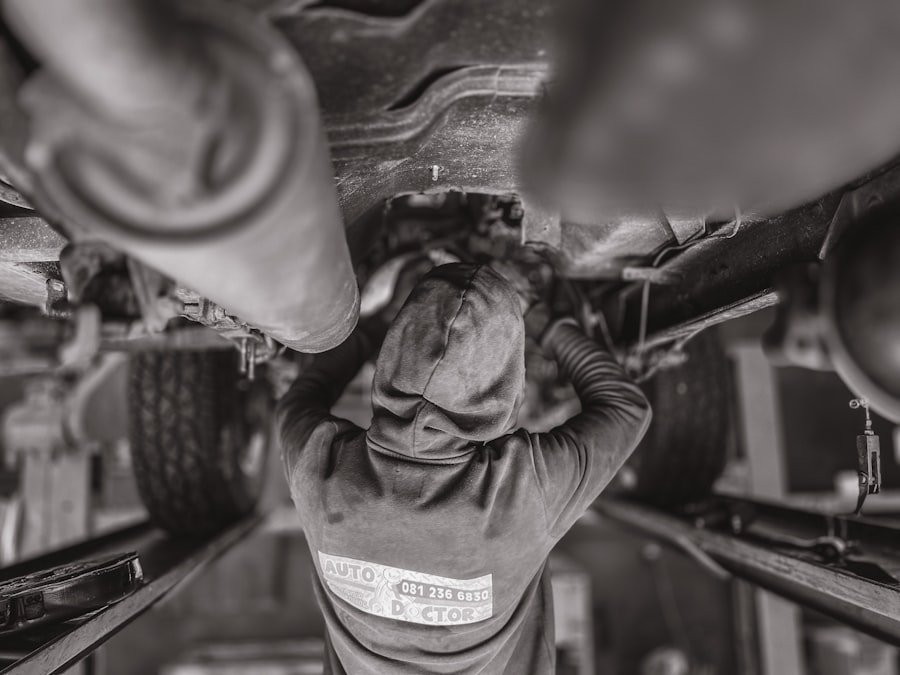
The braking system is one of the most critical safety features of any vehicle, making regular brake inspections essential for safe driving. Brake pads, rotors, and fluid all play vital roles in the braking process, and their condition can significantly affect stopping power. Over time, brake pads wear down due to friction with the rotors, which can lead to reduced braking efficiency and increased stopping distances.
Most experts recommend having brakes inspected at least once a year or whenever there are noticeable changes in performance, such as squeaking or grinding noises. In addition to checking the brake pads, it is crucial to inspect the rotors for signs of wear or warping. Warped rotors can cause vibrations during braking, which not only affects comfort but can also compromise safety.
Brake fluid should also be checked regularly; it absorbs moisture over time, which can lead to corrosion within the braking system and reduced effectiveness. If the brake fluid appears dark or contaminated, it should be replaced promptly. Regular brake inspections not only enhance safety but also help prevent costly repairs that can arise from neglecting this vital system.
Fluid Checks
Fluid checks are an integral part of vehicle maintenance that often goes overlooked by many drivers. Various fluids are essential for different systems within a vehicle, including engine oil, coolant, transmission fluid, brake fluid, power steering fluid, and windshield washer fluid. Each of these fluids plays a specific role in ensuring that the vehicle operates smoothly and efficiently.
For instance, coolant helps regulate engine temperature, while transmission fluid lubricates moving parts within the transmission system. Regularly checking these fluids can prevent serious issues from arising. Low coolant levels can lead to overheating, which may cause engine damage if not addressed promptly.
Similarly, low transmission fluid can result in erratic shifting or even transmission failure. Drivers should familiarize themselves with their vehicle’s fluid levels and learn how to check them properly. Many vehicles come equipped with dipsticks for easy monitoring of oil and transmission fluid levels.
Additionally, it is advisable to consult the owner’s manual for specific recommendations regarding fluid types and replacement intervals.
Regular Cleaning and Waxing
Maintaining a clean vehicle goes beyond aesthetics; it plays a significant role in preserving the car’s value and longevity. Regular cleaning helps remove dirt, grime, and contaminants that can damage paint and other surfaces over time. For instance, road salt used in winter months can lead to rust formation if not washed off promptly.
A thorough wash should include both the exterior and interior of the vehicle; vacuuming carpets and upholstery helps maintain a fresh environment while protecting against wear. Waxing is another essential aspect of vehicle care that provides a protective layer over the paintwork. A good wax job not only enhances the car’s appearance but also shields it from UV rays, bird droppings, tree sap, and other environmental hazards that can cause paint damage.
It is generally recommended to wax a vehicle every three months or so, depending on exposure to harsh conditions. Using high-quality wax products can make a significant difference in how well the paint holds up over time. Regular cleaning and waxing not only keep a vehicle looking its best but also contribute to its overall health and resale value.
Battery Maintenance

Battery maintenance is crucial for ensuring reliable vehicle operation since a dead battery is one of the most common reasons for roadside breakdowns. Car batteries typically last between three to five years but can fail prematurely due to various factors such as extreme temperatures or frequent short trips that do not allow for full charging cycles. Regularly inspecting battery terminals for corrosion is essential; corrosion can impede electrical flow and lead to starting issues.
Additionally, keeping the battery clean and securely mounted helps prevent vibrations that can damage internal components. It is advisable to test the battery’s voltage periodically using a multimeter or have it checked during routine maintenance visits. If a battery shows signs of weakness—such as slow cranking or dim headlights—it may be time for replacement before it fails completely.
Understanding how to maintain a car battery effectively can save drivers from unexpected inconveniences and ensure their vehicle starts reliably every time.
Air Filter Replacement
The air filter plays a vital role in maintaining engine performance by ensuring that clean air enters the combustion chamber. A clogged air filter restricts airflow, which can lead to decreased engine efficiency and increased fuel consumption. Over time, dirt and debris accumulate in the filter, making it less effective at trapping contaminants.
Most manufacturers recommend replacing the air filter every 12,000 to 15,000 miles; however, this interval may vary based on driving conditions such as dusty environments or heavy traffic. Replacing the air filter is a relatively simple task that many vehicle owners can perform themselves with minimal tools. A clean air filter not only improves engine performance but also enhances fuel efficiency—potentially saving drivers money at the pump over time.
Additionally, a clean air filter contributes to better emissions control, making it an environmentally friendly choice as well. Regularly checking and replacing the air filter is an easy yet impactful way to maintain overall vehicle health.
Regular Inspections and Tune-Ups
Regular inspections and tune-ups are essential for keeping a vehicle running smoothly over its lifespan. These comprehensive checks typically involve examining various systems within the car—such as the engine, transmission, brakes, suspension, and exhaust—ensuring that everything is functioning correctly. Many mechanics recommend having a tune-up performed every 30,000 miles or so; however, this may vary based on specific vehicle requirements and driving habits.
During a tune-up, technicians often replace spark plugs and ignition components that may have degraded over time. This not only improves engine performance but also enhances fuel efficiency and reduces emissions. Additionally, inspections often include checking belts and hoses for signs of wear or cracking; replacing these components before they fail can prevent more significant issues down the line.
By investing in regular inspections and tune-ups, vehicle owners can enjoy peace of mind knowing their car is in optimal condition while potentially avoiding costly repairs in the future.
For those looking to enhance their vehicle’s longevity and performance, it’s essential to stay informed about the best car maintenance practices. A great resource for this is the article on the importance of regular vehicle check-ups and maintenance tips. You can read more about it in this related article.