
Car insurance is an essential component of vehicle ownership that provides financial protection against the various risks inherent in driving. Car insurance operates as a contractual agreement between the policyholder and the insurance company, whereby the insurer agrees to pay for specified costs in exchange for regular premium payments from the policyholder. This coverage typically includes damage to the insured vehicle, liability for injuries or property damage caused to third parties, and protection against theft or vandalism.

Understanding the key components of car insurance is important for all drivers, as it protects against unexpected events and fulfills legal requirements mandated in most jurisdictions. Car insurance policies generally include three primary types of coverage: liability, collision, and comprehensive. Liability insurance is legally required in most areas and covers damages to other people and their property if the policyholder is found responsible for an accident.
Collision coverage pays for damage to the policyholder’s own vehicle resulting from a collision, irrespective of who is at fault. Comprehensive coverage addresses incidents beyond collisions, including theft, fire, and natural disasters. These three coverage types work together to provide drivers with financial protection and security while operating their vehicles on public roads.
Key Takeaways
- Understand the fundamental concepts and importance of car insurance.
- Compare various coverage types to find what best suits your needs.
- Gather multiple quotes to evaluate pricing and options effectively.
- Recognize factors influencing insurance rates, such as driving history and vehicle type.
- Use discounts and bundling to reduce premiums and maximize savings.
Comparing Different Types of Coverage
When evaluating car insurance options, it is essential to understand the various types of coverage available and how they can be tailored to meet individual needs. Beyond the basic liability, collision, and comprehensive coverage, there are additional options that can enhance protection. For instance, uninsured/underinsured motorist coverage is designed to protect you if you are involved in an accident with a driver who lacks sufficient insurance.
This type of coverage can be particularly valuable in areas where uninsured drivers are prevalent. Another important consideration is personal injury protection (PIP) or medical payments coverage, which helps cover medical expenses for you and your passengers after an accident, regardless of fault. This can be especially beneficial in situations where health insurance may not fully cover the costs associated with injuries sustained in a car accident.
Additionally, gap insurance is an option for those who have financed or leased their vehicles; it covers the difference between what you owe on your vehicle and its actual cash value in the event of a total loss. By comparing these various types of coverage, drivers can create a policy that aligns with their specific circumstances and risk tolerance.
Researching and Gathering Quotes

Once you have a clear understanding of the types of coverage available, the next step is to research and gather quotes from different insurance providers. This process involves reaching out to multiple insurers to obtain estimates based on your unique profile, including factors such as your driving history, vehicle type, and location. Many insurance companies offer online tools that allow potential customers to input their information and receive instant quotes, making it easier than ever to compare options.
When gathering quotes, it is crucial to ensure that you are comparing similar coverage levels across different providers. A common mistake is to focus solely on the premium cost without considering the extent of coverage offered. For example, one insurer may provide a lower premium but offer less comprehensive coverage or higher deductibles, which could lead to higher out-of-pocket expenses in the event of a claim.
Therefore, it is advisable to create a spreadsheet or document that outlines each quote’s details, including coverage limits and deductibles, to facilitate an informed comparison.
Factors that Affect Car Insurance Rates
Several factors influence car insurance rates, and understanding these can help drivers make informed decisions when selecting a policy. One of the most significant factors is the driver’s history; individuals with a clean driving record typically enjoy lower premiums compared to those with multiple accidents or traffic violations. Insurers assess risk based on past behavior, so maintaining a safe driving record can lead to substantial savings over time.
Another critical factor is the type of vehicle being insured. High-performance cars or luxury vehicles often come with higher premiums due to their increased repair costs and higher likelihood of theft. Conversely, vehicles known for their safety features and reliability may qualify for discounts.
Additionally, demographic factors such as age, gender, and marital status can also play a role in determining rates; younger drivers or those with less experience may face higher premiums due to statistical risk assessments.
Utilizing Discounts and Bundling Options
Many insurance companies offer various discounts that can significantly reduce premiums for policyholders. These discounts can be based on several criteria, including safe driving records, completion of defensive driving courses, or even membership in certain organizations or affiliations. For instance, some insurers provide discounts for students who maintain good grades or for military personnel.
Taking advantage of these discounts can lead to substantial savings over time. Bundling options present another opportunity for cost savings. Many insurers offer discounts for customers who choose to bundle multiple policies, such as home and auto insurance.
By consolidating policies with one provider, not only can you simplify your insurance management but also benefit from reduced overall costs. It’s essential to inquire about bundling options when obtaining quotes, as this can lead to significant financial advantages while ensuring comprehensive coverage across different areas of risk.
Reviewing and Comparing Quotes
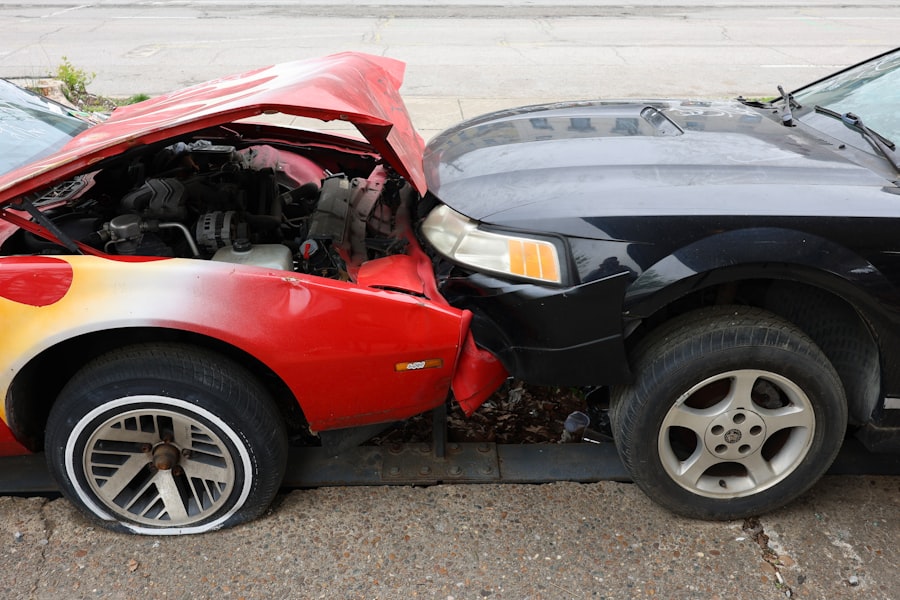
After gathering multiple quotes and understanding the various factors that affect rates, the next step is to review and compare these quotes carefully. This process involves not only looking at the premium costs but also examining the specifics of each policy’s coverage limits, deductibles, and any additional features or exclusions that may apply. It’s important to read through the fine print to ensure there are no hidden fees or conditions that could impact your decision later on.
When comparing quotes, consider creating a side-by-side comparison chart that highlights key aspects such as monthly premiums, deductibles for collision and comprehensive coverage, liability limits, and any additional coverages included in each policy. This visual representation can help clarify which options provide the best value based on your needs. Additionally, consider reaching out to customer service representatives from each insurer to ask questions about their policies; this interaction can provide insight into their customer service quality and responsiveness.
Making Informed Decisions and Adjustments
Once you have thoroughly reviewed and compared your options, it’s time to make an informed decision regarding your car insurance policy. Selecting the right coverage involves balancing cost with adequate protection tailored to your specific circumstances. For instance, if you drive an older vehicle with a lower market value, you might opt for higher deductibles on collision coverage to lower your premium while still maintaining essential liability protection.
Moreover, it’s important to remain flexible and open to adjustments as your circumstances change over time. Life events such as moving to a new location, purchasing a new vehicle, or changes in your driving habits can all impact your insurance needs. Regularly reassessing your policy ensures that you are not overpaying for coverage you no longer need or missing out on potential savings due to changes in your risk profile.
Revisiting and Updating Your Policy Regularly
Car insurance is not a one-time purchase; it requires ongoing attention and periodic reviews to ensure it remains relevant and cost-effective. As life circumstances evolve—such as changes in employment status, marital status, or even changes in driving frequency—your insurance needs may shift accordingly. Regularly revisiting your policy allows you to identify opportunities for adjustments that could lead to better coverage or lower premiums.
Additionally, it’s wise to review your policy at least once a year or whenever significant changes occur in your life or driving habits. During this review process, consider obtaining new quotes from different insurers to see if better rates are available elsewhere. The competitive nature of the insurance market means that new offers frequently arise; thus, staying informed about potential savings can lead to more favorable terms over time.
By maintaining an active approach toward your car insurance policy, you can ensure that you are adequately protected while also managing costs effectively.
When considering car insurance quotes, it’s essential to stay informed about the latest technological advancements that can impact the industry. For instance, the article on how agentic AI systems are transforming work provides valuable insights into how artificial intelligence is reshaping various sectors, including insurance. You can read more about this transformation in the article titled “The Future is Here: How Agentic AI Systems Transform Work” by following this link: The Future is Here: How Agentic AI Systems Transform Work.