The automotive industry is experiencing significant transformation as electric vehicles (EVs) establish themselves as a major market segment. This expansion results from multiple interconnected factors: technological progress, shifts in consumer demand, and heightened environmental consciousness. Global electric vehicle sales have increased substantially over the past decade, with millions of units purchased annually.

The International Energy Agency reported that the global electric car fleet exceeded 10 million vehicles in 2020, representing a major advancement in sustainable transportation adoption. Industry analysts project this growth will accelerate, supported by improvements in battery technology, expansion of charging networks, and enhanced vehicle engineering. The expanding range of available EV models has significantly contributed to their market growth.
Electric vehicles were initially regarded as specialized products with limited driving range and design options. Automakers have since responded to market demand by broadening their electric portfolios to encompass diverse vehicle categories, including sedans, sport utility vehicles, and premium models. This expansion has increased EV accessibility across different consumer segments and preferences.
As consumers gain greater awareness of electric vehicle advantages—including reduced maintenance expenses and lower environmental impact—market adoption is projected to accelerate.
Key Takeaways
- Electric vehicles (EVs) are rapidly transforming the auto industry with increasing production and adoption.
- Major automakers are investing heavily in EV development and shifting their focus away from traditional combustion engines.
- Government incentives and supportive policies are accelerating EV adoption worldwide.
- Advancements in battery technology and charging infrastructure are improving EV performance and accessibility.
- Despite growth, challenges like range anxiety, charging availability, and cost remain barriers to widespread consumer adoption.
Major Automakers’ Shift Towards Electric Vehicles
In response to the growing demand for electric vehicles, major automakers are pivoting their strategies to prioritize EV development. Traditional automotive giants like General Motors, Ford, Volkswagen, and Toyota are investing heavily in electric vehicle technology and infrastructure. For instance, General Motors has announced plans to transition to an all-electric future, with a commitment to offer 30 new electric models by 2025.
This ambitious goal reflects a broader industry trend where established manufacturers are not only developing new electric models but also reimagining their existing lineups to include electric variants. Volkswagen’s “ID” series exemplifies this shift, showcasing the company’s dedication to electrification. The ID.4, an all-electric SUV, has garnered significant attention for its blend of performance, range, and affordability.
Similarly, Ford’s introduction of the Mustang Mach-E has redefined perceptions of electric vehicles by infusing them with the brand’s performance heritage. These strategic moves highlight how automakers are not merely responding to market trends but are actively shaping the future of transportation through innovative electric offerings.
Government Incentives and Policies Supporting Electric Vehicles
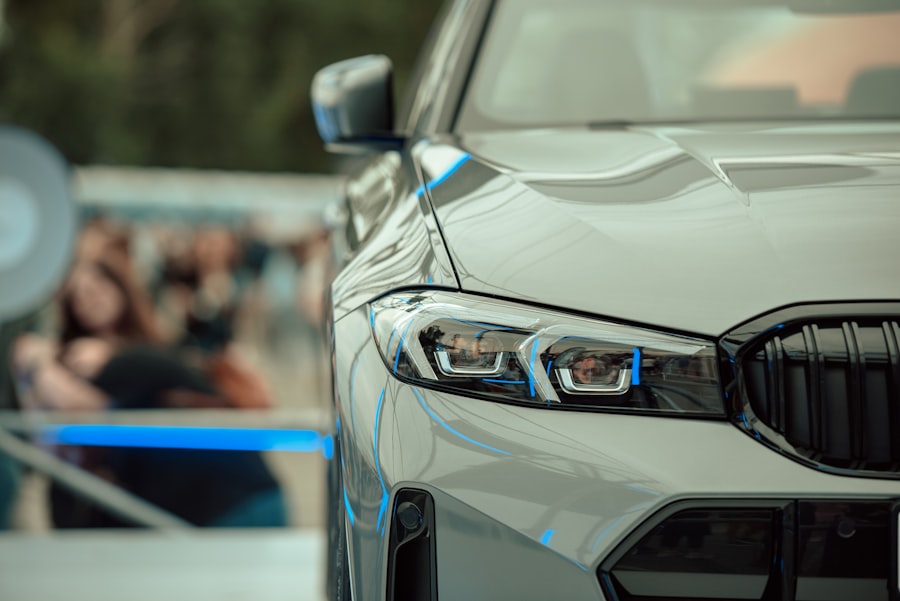
Government policies and incentives play a pivotal role in accelerating the adoption of electric vehicles. Many countries have implemented various measures to encourage consumers to make the switch from traditional internal combustion engine vehicles to electric alternatives. These incentives often include tax credits, rebates, and grants that significantly reduce the upfront costs associated with purchasing an EV.
For example, in the United States, federal tax credits can provide up to $7,500 off the purchase price of an electric vehicle, making them more financially attractive to consumers. In addition to financial incentives, governments are also investing in charging infrastructure to alleviate range anxiety—a common concern among potential EV buyers. Initiatives such as building public charging stations and offering grants for home charging installations are becoming increasingly prevalent.
Countries like Norway have set ambitious targets for EV adoption and have successfully created a robust charging network that supports their goals. Furthermore, many governments are establishing regulations that phase out the sale of new gasoline-powered vehicles within the next few decades, further solidifying the commitment to electric mobility.
The Impact of Electric Vehicles on the Environment
The environmental impact of electric vehicles is one of the most compelling arguments for their adoption. Unlike traditional gasoline or diesel vehicles, EVs produce zero tailpipe emissions, which significantly reduces air pollution in urban areas. This reduction in harmful pollutants contributes to improved public health outcomes and enhances overall air quality.
According to a study by the Union of Concerned Scientists, electric vehicles produce less than half the emissions of comparable gasoline-powered cars over their lifetime when accounting for emissions from electricity generation. However, it is essential to consider the entire lifecycle of electric vehicles when evaluating their environmental impact. While EVs are cleaner during operation, the production of batteries can be resource-intensive and may involve significant carbon emissions.
The extraction of lithium, cobalt, and nickel—key components in lithium-ion batteries—raises concerns about environmental degradation and ethical sourcing practices. Nevertheless, advancements in battery recycling technologies and the development of more sustainable materials are promising steps toward mitigating these issues and enhancing the overall sustainability of electric vehicles.
Advancements in Electric Vehicle Technology
Technological advancements are at the heart of the electric vehicle revolution. One of the most significant developments has been in battery technology, which directly influences an EV’s range, performance, and cost. The introduction of solid-state batteries promises to revolutionize the industry by offering higher energy densities, faster charging times, and improved safety compared to traditional lithium-ion batteries.
Companies like Toyota and QuantumScape are at the forefront of this research, aiming to bring solid-state batteries to market within the next few years. In addition to battery innovations, improvements in electric drivetrains and regenerative braking systems have enhanced vehicle efficiency and performance. Electric motors provide instant torque, resulting in rapid acceleration and a smooth driving experience that many consumers find appealing.
Furthermore, advancements in software and connectivity have enabled features such as over-the-air updates and advanced driver-assistance systems (ADAS), making electric vehicles not only more efficient but also safer and more user-friendly.
Challenges and Concerns Surrounding Electric Vehicles

Despite their many advantages, electric vehicles face several challenges that could hinder widespread adoption. One significant concern is the availability and accessibility of charging infrastructure. While urban areas may have a growing number of charging stations, rural regions often lack sufficient access, creating disparities in EV ownership potential.
Additionally, long charging times compared to refueling a gasoline vehicle can deter potential buyers who prioritize convenience. Another challenge lies in consumer perceptions regarding battery life and replacement costs. Many potential buyers worry about battery degradation over time and the associated costs of replacement.
Although manufacturers typically offer warranties that cover battery performance for several years or miles driven, these concerns can still influence purchasing decisions. Addressing these challenges requires concerted efforts from automakers, governments, and private companies to create a comprehensive ecosystem that supports electric vehicle ownership.
Consumer Adoption and Demand for Electric Vehicles
Consumer adoption of electric vehicles is steadily increasing as awareness grows about their benefits and as more options become available on the market. Surveys indicate that many consumers are considering purchasing an EV as their next vehicle due to factors such as lower operating costs, environmental concerns, and government incentives. A report from McKinsey & Company found that nearly 70% of consumers expressed interest in buying an electric vehicle within the next five years.
The demand for electric vehicles is also being fueled by changing attitudes towards sustainability among younger generations. Millennials and Gen Z consumers are increasingly prioritizing eco-friendly products and services in their purchasing decisions. As these demographics enter the car-buying market in greater numbers, their preferences will likely shape the future landscape of automotive sales.
Automakers are responding by marketing their electric models not only as environmentally friendly options but also as technologically advanced vehicles that align with modern lifestyles.
The Future of Electric Vehicles in the Auto Industry
Looking ahead, the future of electric vehicles in the auto industry appears promising yet complex. As technology continues to evolve and consumer demand grows, automakers will likely invest even more heavily in research and development for electric mobility solutions. The shift towards electrification is expected to accelerate further as countries implement stricter emissions regulations and set ambitious targets for reducing greenhouse gas emissions.
Moreover, innovations such as vehicle-to-grid (V2G) technology could redefine how we think about energy consumption and distribution. By allowing electric vehicles to feed energy back into the grid during peak demand periods, this technology could enhance grid stability while providing additional income streams for EV owners. As we move towards a more interconnected energy ecosystem, electric vehicles will play a crucial role in shaping sustainable transportation solutions for future generations.
In conclusion, while challenges remain on the path toward widespread adoption of electric vehicles, ongoing advancements in technology combined with supportive government policies and shifting consumer attitudes suggest that EVs will become an integral part of our transportation landscape in the years to come. The automotive industry is poised for a significant transformation as it embraces this electrified future.
In recent developments within the auto industry, the integration of advanced technologies is becoming increasingly crucial. A related article discusses the transformative impact of multimodal AI across various sectors, including automotive, highlighting how these innovations can enhance efficiency and safety. For more insights, you can read the article here: Unlocking Potential: Multimodal AI in Action.