
Fuel prices are determined by multiple interconnected factors that change based on geopolitical conditions, market supply and demand, and seasonal variations. The most significant factor is crude oil pricing, which serves as the base material for refined gasoline and diesel. Global crude oil markets establish prices through supply and demand mechanisms.

Supply disruptions caused by geopolitical instability in major oil-producing regions, particularly the Middle East, typically result in sharp price increases. Conversely, increased crude oil production, such as from the United States, can lower fuel prices through oversupply. Refining costs represent another critical component of fuel pricing.
Converting crude oil into usable fuel requires substantial operational expenses, including labor, equipment maintenance, and energy usage. Seasonal production changes also affect refining expenses. During summer months, refineries produce summer-grade gasoline, which costs more to manufacture due to stricter environmental standards.
Additionally, state and local taxes vary considerably by region, creating significant price differences between neighboring areas. Some states impose higher fuel taxes, resulting in notably higher pump prices than adjacent regions.
Key Takeaways
- Fuel prices are influenced by supply and demand, geopolitical events, and production costs.
- Recent trends show fluctuating fuel prices due to market volatility and seasonal changes.
- Rising fuel prices can slow economic growth by increasing transportation and production costs.
- Consumers can save on fuel by improving vehicle efficiency and using alternative transportation methods.
- Government policies, such as taxes and subsidies, play a significant role in shaping fuel prices.
Current Fuel Price Trends
As of late 2023, fuel prices have exhibited notable volatility, reflecting a complex interplay of global events and domestic policies. In many regions, prices have seen a gradual increase due to recovering demand post-pandemic coupled with ongoing supply chain disruptions. For instance, the resurgence of travel and transportation has led to heightened demand for gasoline and diesel, pushing prices upward.
Additionally, the ongoing conflict in Ukraine has had a profound impact on European fuel prices, as sanctions against Russian oil have created supply shortages and increased competition for alternative sources. In the United States, fuel prices have also been influenced by seasonal trends and regional disparities. The summer driving season typically sees an uptick in gasoline consumption, which can lead to higher prices at the pump.
However, recent trends indicate that prices have remained elevated even into the fall months due to persistent supply chain issues and refinery outages. Moreover, the transition to winter blends of gasoline often results in price fluctuations as refineries adjust their production processes. Overall, current fuel price trends reflect a complex landscape shaped by both local and global factors.
Impact of Fuel Prices on the Economy
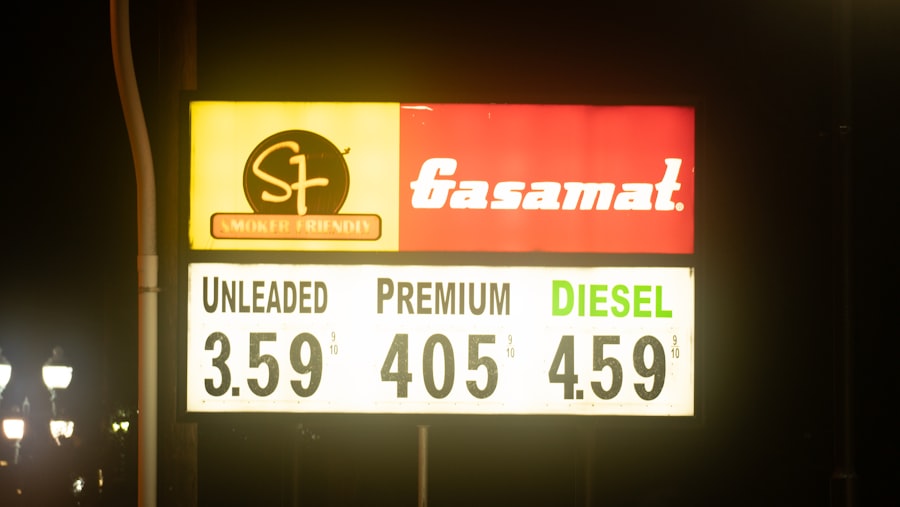
The implications of fluctuating fuel prices extend far beyond the gas station; they reverberate throughout the entire economy. High fuel prices can lead to increased transportation costs for businesses, which may subsequently pass these costs onto consumers in the form of higher prices for goods and services. This phenomenon can contribute to inflationary pressures within the economy, as consumers find themselves paying more not only for fuel but also for everyday items that rely on transportation for delivery.
For instance, industries such as agriculture and manufacturing are particularly sensitive to fuel price changes, as their operational costs are closely tied to transportation expenses. Moreover, rising fuel prices can have a direct impact on consumer behavior. When individuals face higher costs at the pump, they may adjust their spending habits by cutting back on discretionary purchases or opting for more economical transportation options.
This shift in consumer behavior can lead to decreased demand in various sectors of the economy, potentially stunting growth. Additionally, high fuel prices can disproportionately affect lower-income households that spend a larger percentage of their income on transportation costs, exacerbating economic inequality and limiting mobility for those who rely on personal vehicles for commuting.
Strategies for Saving on Fuel Costs
In light of rising fuel prices, consumers are increasingly seeking ways to mitigate their fuel expenses. One effective strategy is adopting more fuel-efficient driving habits. Simple changes such as maintaining a steady speed, avoiding rapid acceleration and braking, and reducing idling time can significantly improve fuel economy.
For example, studies have shown that driving at moderate speeds on highways can enhance fuel efficiency by up to 15%. Additionally, regular vehicle maintenance—such as ensuring proper tire inflation and timely oil changes—can also contribute to better fuel performance. Another approach to saving on fuel costs involves leveraging technology and resources available to consumers.
Many smartphone applications now provide real-time information on fuel prices at nearby stations, allowing drivers to find the most affordable options in their area. Carpooling or using public transportation can also be effective strategies for reducing individual fuel consumption while promoting environmental sustainability. Furthermore, considering alternative modes of transportation—such as biking or walking for short distances—can not only save money but also contribute positively to personal health and well-being.
Government Policies and Fuel Prices
Government policies play a crucial role in shaping fuel prices through taxation, subsidies, and regulatory measures. In many countries, fuel taxes are a significant component of the overall price consumers pay at the pump. These taxes are often used to fund infrastructure projects or promote environmental initiatives but can also lead to higher costs for consumers.
For instance, countries with high fuel taxes may experience less volatility in fuel prices compared to those with lower taxes, as government intervention can stabilize market fluctuations. Subsidies are another tool that governments use to influence fuel prices. In some regions, governments provide financial support to oil companies or directly subsidize fuel costs for consumers in an effort to keep prices manageable.
However, such subsidies can create market distortions and may not be sustainable in the long term. Additionally, regulatory measures aimed at reducing carbon emissions have led to increased production costs for fossil fuels, which can further impact consumer prices. As governments around the world grapple with climate change challenges, the balance between promoting economic growth and implementing sustainable energy policies will continue to shape the landscape of fuel pricing.
Global Factors Influencing Fuel Prices

The global nature of the oil market means that fuel prices are subject to a wide array of international influences. Geopolitical tensions remain one of the most significant factors affecting oil supply and pricing. Events such as conflicts in oil-producing regions or sanctions against major oil-exporting countries can lead to immediate spikes in crude oil prices due to fears of supply disruptions.
For example, sanctions imposed on Iran have historically led to fluctuations in global oil supply and pricing dynamics. Additionally, OPEC (the Organization of the Petroleum Exporting Countries) plays a pivotal role in influencing global oil prices through its production quotas and agreements among member nations. When OPEC decides to cut production in response to falling prices or oversupply concerns, it can lead to an increase in crude oil prices globally.
Conversely, when OPEC increases production to meet rising demand or stabilize market conditions, it can result in lower prices at the pump for consumers worldwide. The interconnectedness of global markets means that local fuel prices are often influenced by events occurring thousands of miles away.
Future Predictions for Fuel Prices
Looking ahead, predictions regarding future fuel prices remain uncertain due to a multitude of variables at play. Analysts suggest that while short-term fluctuations may continue due to seasonal demand and geopolitical tensions, long-term trends will likely be influenced by the global shift towards renewable energy sources and electric vehicles (EVs). As more consumers adopt EVs and governments implement stricter emissions regulations, demand for traditional fossil fuels may decline over time.
This shift could lead to a gradual decrease in fuel prices as consumption patterns change. However, some experts caution that while demand for fossil fuels may decrease in certain regions, emerging economies with growing populations may continue to drive up demand for oil in the coming years. Countries like India and parts of Africa are expected to see increased energy needs as their economies develop further.
This could create a complex scenario where localized demand pressures keep prices elevated even as global consumption trends shift towards cleaner energy sources.
Alternative Fuel Options and Their Costs
As concerns over fossil fuel dependency grow alongside rising prices, alternative fuel options are gaining traction as viable solutions for consumers and businesses alike. Biofuels—derived from organic materials such as corn or sugarcane—are one alternative that has seen increased adoption in recent years. While biofuels can offer a renewable source of energy, their production often competes with food resources and can lead to higher food prices.
Electric vehicles represent another significant shift in the transportation sector aimed at reducing reliance on traditional fuels. The cost of EVs has been decreasing steadily due to advancements in battery technology and increased competition among manufacturers. While the initial purchase price of an electric vehicle may still be higher than that of a conventional car, lower operating costs—such as reduced fueling expenses and maintenance—can make them more economical over time.
Hydrogen fuel cells are also emerging as a promising alternative energy source for vehicles. Although still in developmental stages compared to electric vehicles, hydrogen-powered cars offer quick refueling times and longer ranges than many battery-electric vehicles currently available on the market. However, infrastructure for hydrogen refueling remains limited in many areas, which poses challenges for widespread adoption.
In conclusion, while traditional fossil fuels continue to dominate the market today, ongoing advancements in alternative energy technologies present exciting possibilities for the future landscape of transportation energy sources. As consumers become more environmentally conscious and seek ways to save on rising fuel costs, exploring these alternatives will likely become increasingly important in shaping energy consumption patterns moving forward.
As fuel prices continue to fluctuate, many consumers are feeling the impact on their daily expenses. For those interested in how these changes might affect various sectors, a related article discusses the broader implications of economic shifts in the context of sports and entertainment. You can read more about it in the article titled “Exciting Sports News Today: Scores, Updates, and Highlights” available at this link.