The United States political landscape is a dynamic and multifaceted system, shaped by historical precedent, evolving demographics, and contemporary issues. To understand it, one must navigate its intricate structures, observe its major actors, and analyze the forces that propel its transformations. This article provides an overview of the current state of American politics, exploring its foundational elements, the roles of its primary institutions, the influence of various ideologies, and the challenges it currently faces.

The U.S. political system is fundamentally a federal republic, a design established by its Constitution. This framework distributes power between a national government and state governments, a division intended to prevent the concentration of authority and protect individual liberties.
Constitutional Principles and Their Enduring Relevance
The U.S. Constitution, ratified in 1788, serves as the supreme law of the land. Its core principles – separation of powers, checks and balances, federalism, popular sovereignty, and individual rights – continue to shape the political discourse and governmental operations. The concept of separation of powers divides governmental authority into three distinct branches: legislative, executive, and judicial. This architectural decision, a response to historical concerns about tyranny, ensures that no single branch can unilaterally dominate policy-making or governance.
The Role of Federalism in Power Distribution
Federalism in the U.S. acts as a constant negotiation between national and state authority. This division is not rigid but rather a fluid boundary, often contested in courts and political arenas. For instance, while the federal government dictates national defense and interstate commerce, states retain significant autonomy over education, public safety, and local infrastructure. This dual sovereignty creates a complex web of laws and regulations, reflecting the diverse priorities and needs across the nation’s fifty states. The ongoing debates surrounding issues like cannabis legalization or healthcare illustrate the perpetual tension and dynamism inherent in this federalist structure.
Evolution of the Electorate
The demographics of the American electorate have undergone significant shifts over time, impacting electoral outcomes and political priorities. The expansion of suffrage, from property-owning white men to all citizens over 18, reflects a progressive broadening of democratic participation. Today, the electorate is more diverse than ever, with growing representation from various racial and ethnic groups, which influences campaign strategies and policy platforms. This ongoing demographic transformation is a slow-moving tectonic plate, gradually but fundamentally altering the political terrain.
In the ever-evolving landscape of American politics, the intersection of technology and governance is becoming increasingly significant. A related article that explores this theme is titled “Guardians of the Code: How AI is Revolutionizing Cybersecurity,” which discusses the implications of artificial intelligence on national security and political integrity. You can read more about it here: Guardians of the Code. This article highlights how advancements in AI are not only shaping cybersecurity measures but also influencing policy decisions and political strategies in the United States.
Key Institutions and Their Functions
The United States government operates through a system of interconnected institutions, each with defined roles and responsibilities. Understanding these institutions is crucial for comprehending the processes of governance.
The Legislative Branch: Congress
Congress, comprising the Senate and the House of Representatives, is the law-making body of the federal government. The bicameral structure reflects a compromise between ensuring equal state representation (Senate) and proportionate population representation (House). This structure often means that a “bill’s journey” through Congress is a winding river, facing potential dams and diversions at multiple points.
The House of Representatives: Proximity to the People
The House of Representatives, with 435 members apportioned by population, holds elections every two years, making its members particularly responsive to immediate public sentiment. Its role in initiating revenue bills and its power to impeach federal officials highlight its direct connection to the populace. The constant cycle of elections means that members are perpetually campaigning, often prioritizing district-specific issues.
The Senate: A Deliberative Body
The Senate, with 100 members representing each state equally, serves as a more deliberative body. Senators are elected for six-year terms, providing a longer runway for policy development and less immediate pressure from electoral cycles. The Senate’s unique powers, such as approving treaties and confirming presidential appointments, provide a crucial check on executive authority. Its slower pace often serves as an institutional flywheel, adding inertia to rapid policy changes.
The Executive Branch: The Presidency
The President of the United States, the head of the executive branch, holds immense power as both head of state and head of government. The presidency embodies the national will, and the office’s responsibilities range from executing laws to conducting foreign policy.
Presidential Powers and Limitations
The President’s powers are extensive, encompassing executive orders, veto power over legislation, and the command of the armed forces. However, these powers are not absolute. The system of checks and balances ensures that Congress can override a presidential veto, and the judiciary can declare executive actions unconstitutional. This creates a constant tension, a “tug-of-war” between the branches, preventing any single entity from becoming all-powerful.
The Cabinet and Federal Bureaucracy
Supporting the President is the Cabinet, composed of the heads of fifteen executive departments, and a vast federal bureaucracy. These departments and agencies are responsible for implementing government policies and providing public services. The effectiveness of this machinery is often a subject of political debate, with discussions revolving around efficiency, accountability, and the size of government.
The Judicial Branch: The Supreme Court and Federal Courts
The judicial branch, headed by the Supreme Court, interprets laws and ensures their constitutional application. Its independence is a cornerstone of American democracy, designed to protect the rule of law from political pressures.
Judicial Review and Its Impact
The power of judicial review, established in Marbury v. Madison (1803), allows the Supreme Court to declare laws unconstitutional. This power represents a vital check on both the legislative and executive branches, acting as a crucial referee in the political system. The Court’s decisions, often landmark rulings, shape public policy and define the boundaries of individual rights.
The Appointment Process
Federal judges, including Supreme Court justices, are nominated by the President and confirmed by the Senate. This appointment process is often highly politicized, as judges serve for life or until retirement, and their rulings can have long-lasting societal implications. The ideological composition of the judiciary therefore becomes a high-stakes battleground for political parties.
Political Parties and Ideologies
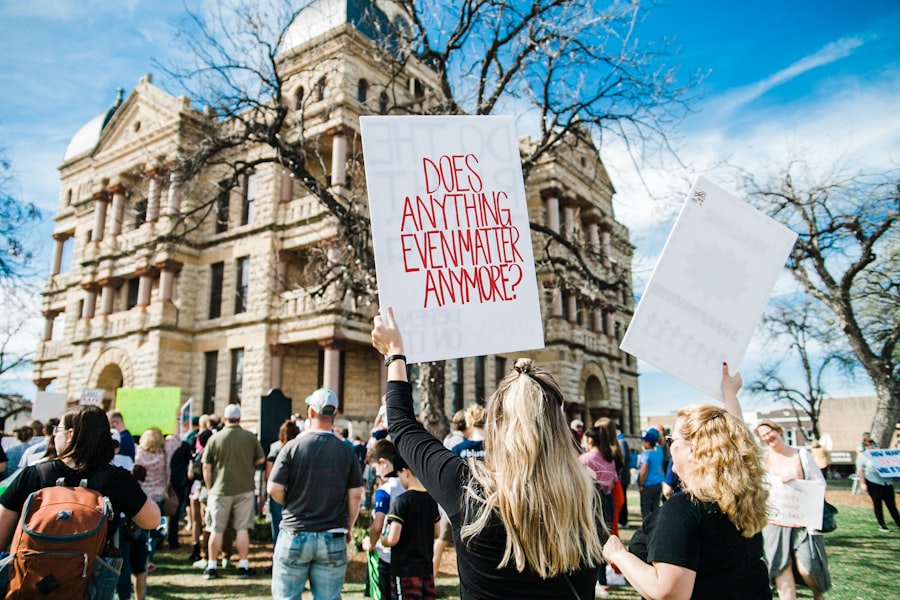
Political parties are central to the functioning of the American political system, serving as vehicles for organizing voter preferences and structuring governance.
The Dominance of the Two-Party System
The United States has historically been dominated by a two-party system, primarily the Democratic and Republican parties. This phenomenon is often attributed to the winner-take-all electoral system, where only the top vote-getter wins, disadvantaging smaller parties. This creates a gravitational pull towards two major poles, with third parties often struggling to gain traction.
The Democratic Party: Evolving Progressivism
The Democratic Party generally advocates for a larger role for government in addressing social and economic inequality. Its platform typically supports social safety nets, environmental protection, civil rights, and organized labor. The party’s coalition is broad, encompassing urban populations, minority groups, and elements of organized labor, though its internal divisions can sometimes be pronounced, reflecting a spectrum of progressive thought.
The Republican Party: Conservative Principles
The Republican Party typically champions individual liberty, free markets, limited government intervention, and a strong national defense. Its platform often emphasizes lower taxes, deregulation, and a conservative approach to social issues. The party’s base is largely comprised of rural voters, business owners, and evangelical Christians, though it too faces internal ideological fractures, particularly between fiscal conservatives and social conservatives.
The Influence of Third Parties and Independents
While third parties rarely win national elections, they can play a significant role in influencing the political dialogue by bringing new issues to the forefront or acting as “spoilers” in close races. The rise of independent voters, who do not identify with either major party, also indicates a growing skepticism towards traditional party affiliations and a desire for alternative political expressions. This growing pool of unaligned voters can be a wild card in elections.
Contemporary Challenges and Dynamics
The American political landscape is currently grappling with a range of complex challenges, influencing public opinion and policy outcomes.
Political Polarization and Partisan Divide
One of the most significant challenges is the increasing political polarization. The ideological gap between the Democratic and Republican parties has widened significantly, leading to legislative gridlock and a decline in bipartisan cooperation. This divide is often fueled by media fragmentation and social media echo chambers, creating a cycle where shared facts are increasingly rare and opposing narratives solidify. This polarization often feels like two ships passing in the night, each sending increasingly hostile signals.
The Role of Money in Politics
Campaign finance is a persistent area of concern. The influence of large political donors, special interest groups, and corporate lobbying raises questions about the fairness and integrity of the political process. Debates over campaign finance reform frequently highlight concerns that financial muscle can disproportionately shape policy agendas and electoral outcomes. This creates a perception that the political playing field is tilted.
Media Landscape and Misinformation
The contemporary media landscape, characterized by the proliferation of digital platforms and social media, presents both opportunities and challenges. While it facilitates rapid information dissemination, it also contributes to the spread of misinformation and disinformation, making it harder for citizens to distinguish fact from fiction. This “information fog” can distort public perception and undermine informed decision-making.
Demographic Shifts and Their Political Impact
Ongoing demographic changes, including an aging population, increasing racial and ethnic diversity, and evolving geographic distribution, profoundly impact political dynamics. These shifts alter voting patterns, influence electoral strategies, and reshape policy priorities, leading to both opportunities for inclusion and potential for social friction. The slow but inexorable movement of demographics is a powerful current that reshapes the political riverbed.
Global Challenges and Domestic Priorities
The U.S. political landscape is also shaped by global dynamics, such as climate change, international conflicts, and global economic shifts. These external pressures often intertwine with domestic priorities, forcing policymakers to balance national interests with international responsibilities, and sometimes creating new fault lines in the political debate.
In recent discussions about the impact of sports on American culture, it’s interesting to note how political events often intertwine with major sporting events. For instance, the recent article on exciting sports news highlights how athletes are increasingly using their platforms to address social issues, which can influence public opinion and political discourse. You can read more about this intersection of sports and politics in the article here. This trend reflects a broader movement where sports figures are not just entertainers but also activists, shaping the political landscape in the United States.
Conclusion
The political landscape of the USA is a complex tapestry woven from historical legacies, institutional structures, ideological battles, and evolving societal pressures. It is a system simultaneously robust and adaptable, yet susceptible to internal divisions and external influences. Understanding this landscape requires acknowledging its inherent tensions, the ongoing interplay between its various components, and the continuous evolution driven by both its constituents and global forces. As an observer, your journey through this landscape requires a keen eye for detail and an appreciation for the intricate dance of power and principle that defines American governance.