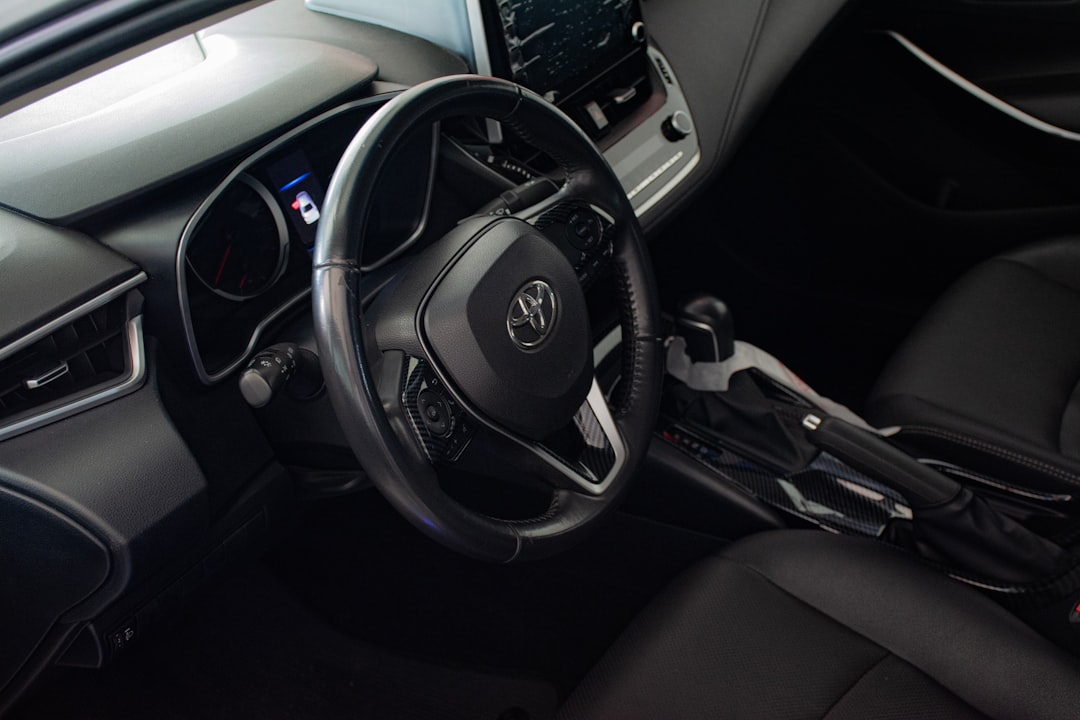
The automotive market, a bellwether for economic shifts, is currently navigating a complex landscape. Cox Automotive, a prominent industry analyst, has released its January forecast, painting a picture of decelerating sales. This slowdown is attributed to a confluence of economic headwinds, suggesting a more challenging start to the year for vehicle manufacturers and dealerships worldwide.

The new year typically brings with it a sense of renewed consumer confidence and spending. However, January 2024 appears to be an exception. Economic indicators have been sending mixed signals, creating uncertainty that impacts large-ticket purchases like automobiles.
Inflationary Pressures Persist
Despite some easing in recent months, inflation remains a significant concern for consumers. The cost of living continues to be elevated, eroding purchasing power and forcing households to prioritize essential spending over discretionary items.
- Impact on Disposable Income: When the price of groceries, fuel, and utilities remains high, less income is available for new vehicle purchases. This translates into fewer potential buyers entering the market.
- Interest Rate Sensitivity: The Federal Reserve’s efforts to combat inflation through interest rate hikes have increased the cost of borrowing. Auto loans, a primary financing mechanism for most vehicle acquisitions, are now more expensive, deterring some buyers.
Consumer Confidence Wavering
Consumer sentiment, a key predictor of spending behavior, has shown fluctuations. While some indices indicate a slight improvement, overall confidence remains below pre-pandemic levels. Concerns about job security and future economic stability are contributing factors.
- Job Market Uncertainty: Although the job market has shown resilience, isolated reports of layoffs and a general sense of economic apprehension can make consumers hesitant to commit to long-term financial obligations.
- Future Economic Outlook: Predictions of a potential economic downturn, even a mild one, can cause consumers to adopt a more conservative financial approach, delaying significant purchases.
Inventory Levels and Pricing Dynamics
The supply chain disruptions that plagued the automotive industry for several years have largely eased, leading to an increase in vehicle inventory. While this offers more choice to consumers, it also shifts the power dynamic in negotiations.
- Increased Availability: Dealership lots are no longer as bare as they once were. This increased availability means less urgency for buyers and more room for negotiation on pricing.
- Pricing Adjustments: As inventory builds, manufacturers and dealers may be compelled to offer incentives and price reductions to stimulate demand, particularly in segments where inventory is abundant.
In light of the recent Cox Automotive forecast indicating a slowdown in January auto sales due to various economic headwinds, it is essential to consider how advancements in technology, such as AI and autonomous agents, could play a role in revitalizing the automotive industry. For more insights on this topic, you can read the article on empowering efficiency through agentic AI and autonomous agents at this link.
Cox Automotive’s January Forecast Details
Cox Automotive’s forecast provides a granular view of the anticipated performance of the new vehicle market in January. Their projections indicate a notable decline compared to previous periods.
Projected Sales Volume
The headline figure from Cox Automotive is the projected total new vehicle sales for January. This number represents a year-over-year decrease, signaling a clear shift in market dynamics.
- Unit Sales Decline: The forecast anticipates a specific number of units sold, which is lower than the previous year’s January figures. This directly reflects reduced consumer demand or slower sales conversion.
- Seasonal Adjustments: It’s important to consider that January is often a slower month for vehicle sales due to typical post-holiday spending adjustments and inclement weather in many regions. However, the current decline is projected to be steeper than usual seasonal dips.
Days’ Supply Analysis
Days’ supply, a measure of how long current inventory would last at the current sales rate, is a critical indicator of market health. An elevated days’ supply suggests an oversupply relative to demand.
- Growing Inventory: Cox Automotive’s analysis likely reveals an increase in days’ supply across various vehicle segments. This indicates that dealers have more vehicles on their lots than are being purchased.
- Segment-Specific Trends: Different vehicle segments (e.g., trucks, SUVs, sedans, electric vehicles) will likely exhibit varying days’ supply figures. Some segments might be experiencing more significant increases than others.
Average Transaction Prices (ATPs)
Average Transaction Prices (ATPs) provide insight into the prices consumers are actually paying for vehicles. Historically, ATPs have been on an upward trajectory, but the current market may see this trend stabilize or even reverse in some cases.
- Potential for Stabilization or Decline: With increased inventory and reduced demand, dealers may be less able to command premium prices. This could lead to a plateauing or slight decrease in ATPs, particularly for certain models.
- Influence of Incentives: To move inventory, manufacturers and dealers may increase incentives, which effectively reduces the net price paid by consumers, thereby impacting ATPs.
Factors Unique to the Automotive Sector

While broader economic headwinds play a significant role, the automotive sector also faces its own specific challenges and opportunities that influence sales performance.
Evolving EV Market Dynamics
The electric vehicle (EV) market, once characterized by surging demand and limited supply, is undergoing a transformation. Increased competition and evolving consumer expectations are reshaping this segment.
- Increased EV Options: More manufacturers are introducing a wider array of EV models, increasing competition and offering consumers more choices.
- Charging Infrastructure Concerns: While improving, access to reliable and widespread charging infrastructure remains a concern for some potential EV buyers, influencing their purchase decisions.
- Price Sensitivity in EV Segment: As initial incentives diminish and the market matures, price sensitivity for EVs is likely to increase, pushing manufacturers to offer more competitive pricing.
Shifting Consumer Preferences
Consumer preferences are not static. Trends in sustainability, technology, and vehicle size continue to evolve, influencing what types of vehicles are in demand.
- Demand for SUVs and Trucks: The enduring popularity of SUVs and light trucks continues, but even within these segments, there might be shifts towards more fuel-efficient or smaller sub-segments.
- Technology Integration: Advanced driver-assistance systems (ADAS), infotainment features, and connectivity are increasingly important to buyers, influencing their vehicle choices.
Used Vehicle Market Influence
The used vehicle market, often viewed as an alternative to new car purchases, has a significant impact on new vehicle sales. When used car prices are high, new cars become more attractive, and vice-versa.
- Stabilizing Used Car Prices: After a period of unprecedented appreciation, used car prices have begun to stabilize and, in some cases, decline. This makes used vehicles a more attractive proposition for budget-conscious buyers.
- Trade-in Valuations: The value of trade-in vehicles directly impacts the out-of-pocket cost for a new car. If used car values decline, it effectively increases the cost of upgrading to a new vehicle.
Dealer Strategies Amidst Slowdown

Dealerships, the frontline of the automotive industry, must adapt their strategies to navigate a market characterized by slower sales and more discerning buyers. This requires a shift from order-taking to proactive sales and customer engagement.
Enhanced Marketing and Incentives
In a buyer’s market, effective marketing and compelling incentives become paramount. Dealerships must work with manufacturers to craft attractive offers that resonate with consumers.
- Targeted Promotions: Instead of broad-brush advertising, dealers may focus on targeted promotions for specific models or inventory that needs to be moved.
- Financing Deals: Offering competitive financing rates, cashback incentives, or lease specials can significantly influence a buyer’s decision, especially in an environment of higher interest rates.
- Value-Added Services: Bundling vehicle purchases with extended warranties, maintenance packages, or other value-added services can differentiate dealerships and sweeten the deal.
Inventory Management Optimization
Efficient inventory management is crucial to minimize carrying costs and respond agilely to market demand. This involves a delicate balance between having enough selection and avoiding overstocking.
- Data-Driven Ordering: Dealers will increasingly rely on data analytics to anticipate demand for specific models, trims, and colors, optimizing their ordering strategies from manufacturers.
- Cross-Dealership Collaboration: Sharing inventory insights and potentially even vehicles between dealerships within the same group can help balance supply and demand more effectively.
- Aging Inventory Management: Proactively identifying and incentivizing the sale of aging inventory prevents depreciation and maximizes profitability.
Focus on Customer Experience
In a more competitive environment, providing an exceptional customer experience can be a powerful differentiator. This encompasses everything from the initial inquiry to post-sale support.
- Personalized Sales Approach: Understanding individual customer needs and tailoring product recommendations accordingly becomes more important.
- Streamlined Purchasing Process: Simplifying the buying process, whether online or in-person, can improve satisfaction and reduce friction for buyers.
- Robust After-Sales Service: Excellent service and maintenance support build long-term customer loyalty and can generate repeat business and referrals.
In light of the recent Cox Automotive forecast indicating a slowdown in January auto sales due to various economic headwinds, it is essential to consider how broader economic factors can impact different industries. For instance, an article discussing the importance of effective governance in ensuring AI safety highlights the interconnectedness of technological advancements and economic stability. This relationship underscores the need for businesses to adapt to changing market conditions while also embracing innovation. You can read more about this topic in the article on AI safety governance here.
Outlook for the Coming Months
While the January forecast signals a challenging start, the automotive market is not monolithic and its future trajectory will depend on a multitude of evolving factors.
Potential for Market Recovery
Despite the current slowdown, there are underlying strengths in the economy and potential for a rebound later in the year.
- Inflationary Control: Should inflation continue its downward trend and the Federal Reserve signal an end to rate hikes, or even a future reduction, consumer confidence could improve.
- Economic Stability: A continued strong job market and a resilient economy could eventually restore consumer willingness to make large purchases.
- pent-up Demand: While some demand has been satisfied, a portion of the market may still represent delayed purchases from periods of limited inventory or high prices, which could eventually materialize.
Ongoing Risks and Uncertainties
The path forward is not without its obstacles. Several risks could prolong the current slowdown or introduce new challenges.
- Global Economic Instability: Geopolitical events or economic downturns in other major global economies could have ripple effects on the US automotive market.
- Supply Chain Vulnerabilities: While largely stable, the potential for new supply chain disruptions, perhaps from unforeseen events, always exists.
- Evolving Regulatory Landscape: Changes in environmental regulations or safety standards could impact production costs and vehicle pricing, affecting demand.
Importance of Adaptability
For manufacturers, dealerships, and consumers alike, adaptability will be key. The automotive industry is a dynamic ecosystem, and those who can best adjust to changing conditions will be the most successful.
Consider the automotive market as a ship navigating uncertain waters. In January, the prevailing winds are strong headwinds, making the voyage slower than anticipated. However, the ship is well-equipped with experienced crew (dealerships and manufacturers), and they are adjusting their sails (strategies) to maintain course. The ultimate destination will depend on how these headwinds evolve and the skill with which the ship is piloted through these changing conditions. The data from Cox Automotive serves as a navigator’s chart, providing crucial information for informed decisions. It is imperative to remember that a forecast is a projection, a snapshot in time. The actual performance will be determined by the complex interplay of economic forces and industry responses throughout the year.