This article examines India’s reintroduction of health checks at airports, a measure implemented in response to a recent Nipah virus outbreak in West Bengal. This action reflects the nation’s proactive stance in mitigating public health risks, particularly given the historical trajectory of infectious disease management.

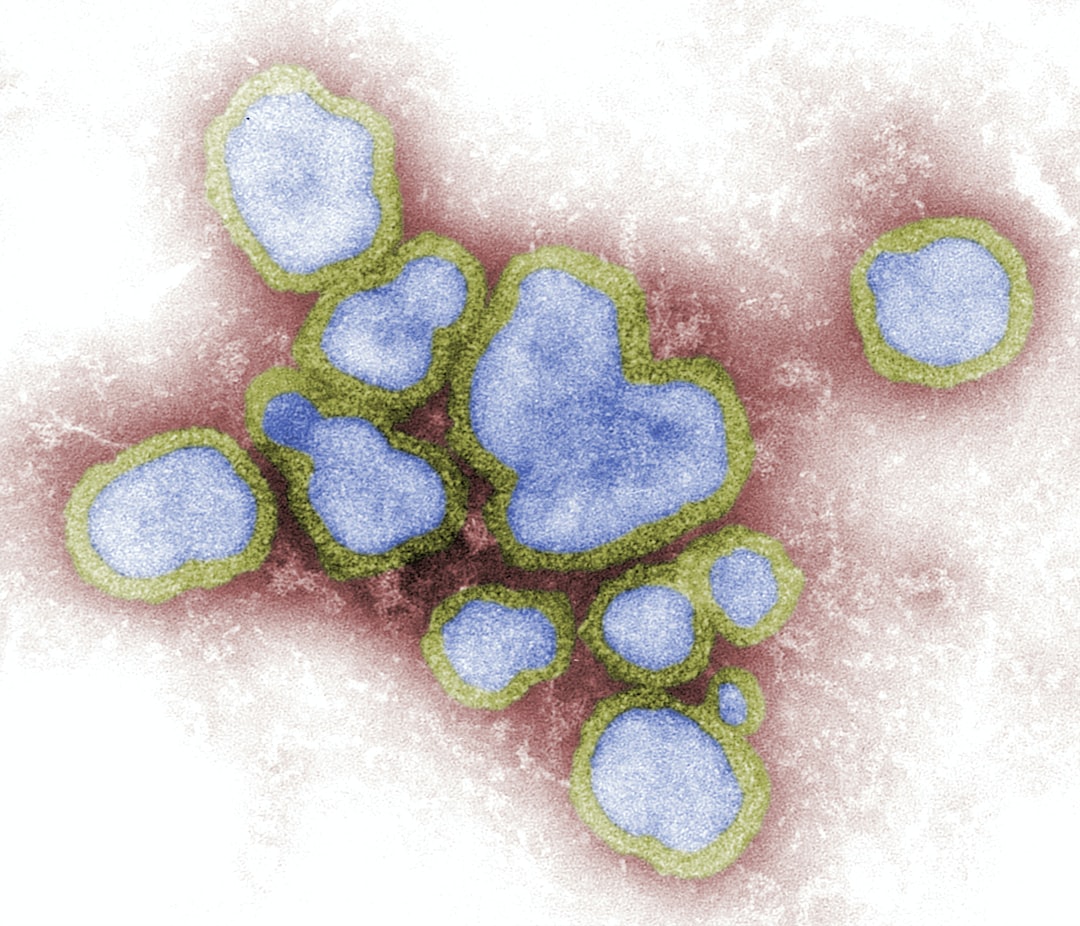
The Nipah virus (NiV) is a zoonotic paramyxovirus that can cause severe disease in both animals and humans. First identified in 1998 in Malaysia and Singapore, the virus has since caused recurring outbreaks, primarily in South Asia. Its natural reservoir is fruit bats belonging to the Pteropus genus, often referred to as “flying foxes.” These bats are asymptomatic carriers, shedding the virus through their saliva, urine, and faeces.
Transmission Pathways
Understanding the transmission pathways of NiV is fundamental to its control. The virus can spread through:
- Animal-to-human transmission: This is the most common route during initial outbreaks. Consumption of contaminated fruit or fruit products (such as raw date palm sap) that have been partially eaten or contaminated by infected bats is a significant risk factor. Contact with infected pigs or other livestock can also lead to transmission.
- Human-to-human transmission: While less common than zoonotic transmission, human-to-human spread has been documented, particularly among close contacts of infected individuals, such as family members and healthcare workers. This underscores the need for stringent infection control measures in clinical settings.
- Contaminated environmental surfaces: Although less thoroughly studied, the potential for fomite transmission (via contaminated surfaces) cannot be entirely discounted, particularly in environments with high viral loads.
Symptoms and Severity
The clinical presentation of Nipah virus infection varies widely, ranging from asymptomatic infection to a rapidly progressive and fatal encephalitis. Typical symptoms include:
- Early symptoms: Fever, headache, muscle pain (myalgia), vomiting, and sore throat.
- Neurological symptoms: Dizziness, drowsiness, altered consciousness, and neurological signs indicative of acute encephalitis. These can progress rapidly, leading to convulsions and coma within 24 to 48 hours.
- Respiratory symptoms: Some individuals may develop atypical pneumonia and severe respiratory problems, particularly in early outbreaks.
The case fatality rate for NiV is high, often ranging from 40% to 75%, varying by outbreak and region, and dependent on healthcare infrastructure and public health response. The severity of the disease, coupled with the lack of specific antivirals or vaccines, makes NiV a public health concern of global significance.
Previous Outbreaks in India
India has faced several Nipah virus outbreaks, primarily in specific states, which serve as crucial reference points for current responses.
- Kerala Outbreaks (2018, 2019, 2021, 2023): Kerala has been a recurring hotspot for NiV. The 2018 outbreak was particularly notable for its high fatality rate and the rapid public health response that contained its spread. These outbreaks have honed the epidemiological surveillance and contact tracing capabilities of the state and central health authorities. The lessons learned from Kerala, a state with robust healthcare infrastructure, have informed national strategies.
- Other Isolated Incidents: While less impactful than the Kerala outbreaks, other isolated incidents have occurred, maintaining NiV on the national health agenda. These sporadic occurrences underscore the endemic nature of the virus in certain bat populations across various regions.
These historical events act as blueprints for current containment strategies, highlighting the need for rapid identification, isolation, and comprehensive public health interventions. The recurrence of outbreaks demonstrates that vigilance is not a one-time event but a continuous process, a public health pendulum swinging between calm and crisis.
In light of the recent Nipah virus outbreak in West Bengal, India has reintroduced health checks at airports to ensure the safety of travelers and prevent the spread of the virus. This proactive measure highlights the importance of public health in managing infectious diseases. For further insights into how technology can empower health measures and enhance safety protocols, you may find the article on agentic AI agents particularly relevant. It discusses the potential of AI in various sectors, including healthcare, and can be accessed through this link: Empowering Autonomy: Agentic AI Agents.
The West Bengal Outbreak
The recent Nipah virus outbreak in West Bengal marks a critical juncture in India’s ongoing battle against infectious diseases. While details are still emerging, this new cluster has triggered a cascade of public health measures, including the reintroduction of airport health checks.
Initial Detections and Confirmation
The outbreak’s genesis in West Bengal is a significant development, raising concerns due to the state’s dense population and extensive connectivity. The specific district or districts affected, the initial case or cases, and the epidemiological links are crucial pieces of information for understanding the outbreak’s profile. You, as an informed citizen, should be aware that the confirmation of Nipah, typically through Reverse Transcription Polymerase Chain Reaction (RT-PCR) testing of clinical samples (e.g., throat swabs, cerebrospinal fluid, urine), signals the need for immediate, decisive action. The rapidity of confirmation is a race against time, where every hour can alter the trajectory of an outbreak.
Public Health Response in West Bengal
Upon confirmation, the West Bengal state government, in coordination with central health authorities, initiated a multi-pronged public health response. This typically involves:
- Active Case Finding and Surveillance: Health teams undertake door-to-door surveys in affected areas to identify individuals presenting with Nipah-like symptoms. This proactive approach aims to cast a wide net, ensuring no potential case goes unnoticed.
- Contact Tracing: An intensive effort to identify and monitor all individuals who have come into contact with confirmed Nipah cases. This “spiderweb” of connections helps to map the potential spread and isolate individuals before they can transmit the virus further.
- Isolation and Treatment Facilities: Dedicated isolation wards and treatment protocols are established or reinforced in hospitals. The provision of supportive care, including respiratory support and management of neurological complications, is paramount.
- Public Awareness Campaigns: Dissemination of accurate information regarding Nipah symptoms, transmission routes, and preventive measures through various media channels. This is crucial for dispelling misinformation and empowering communities to protect themselves.
- Containment Zones and Movement Restrictions: In areas with high transmission, localized containment zones may be established, and non-essential movement restricted to curb further spread. This acts as a firebreak, preventing the conflagration from engulfing wider areas.
Role of National Centre for Disease Control (NCDC)
The National Centre for Disease Control (NCDC) plays a pivotal role in augmenting state-level efforts. Their involvement typically includes:
- Epidemiological Investigation: Deploying rapid response teams to West Bengal to assist with detailed epidemiological investigations, including source identification (e.g., investigating bat ecological patterns, potential contaminated food sources).
- Laboratory Support: Providing advanced diagnostic capabilities and technical expertise to state laboratories, ensuring accurate and timely testing.
- Training and Capacity Building: Offering training to healthcare workers on infection prevention and control (IPC) protocols, case management, and surveillance.
- Technical Guidance and Recommendations: Issuing guidelines and advisories to the state government based on the evolving epidemiological situation and national best practices. The NCDC acts as the central nervous system of public health, coordinating responses across different organs of the health system.
Reintroduction of Airport Health Checks
The decision to reintroduce health checks at airports across India is a testament to the interconnectedness of national public health and the global implications of infectious diseases. This measure serves as a critical line of defense, aiming to prevent the outward spread of the virus from affected regions and the inward spread from potentially infected travelers.
Justification for Airport Screening
The rationale behind re-establishing health checks at airports is multifaceted and grounded in public health principles:
- Preventing Geographic Spread: Air travel, while a marvel of human ingenuity, is also a superhighway for pathogens. A traveler infected with Nipah, even if asymptomatic in the early stages, could potentially carry the virus from an outbreak zone to a previously unaffected region, sparking new clusters. Airport screening acts as a filter, albeit an imperfect one, to reduce this risk.
- Early Detection and Isolation: The primary goal is to identify individuals exhibiting Nipah-like symptoms upon arrival or departure, allowing for immediate isolation, further testing, and initiation of contact tracing. Early detection is synonymous with early containment.
- Public Reassurance and Confidence: The reintroduction of visible health measures can help reassure the public that authorities are actively managing the threat. This can mitigate panic and foster a sense of security, crucial during health crises.
- International Health Regulations (IHR) Compliance: These measures align with the spirit of the International Health Regulations (2005), which guide countries in preventing, protecting against, controlling, and providing a public health response to the international spread of disease.
Specific Measures Implemented
The airport health checks are typically multi-layered and involve a combination of approaches:
- Thermal Screening: Passengers arriving from or departing to areas identified as being at risk may undergo thermal scanning to detect elevated body temperatures, a common symptom of fever. This is a first-line, non-invasive screening tool. While not specific to Nipah, fever is a red flag necessitating further inquiry.
- Self-Declaration Forms: Passengers might be required to fill out self-declaration forms detailing their recent travel history, potential exposure to outbreak areas, and any experienced symptoms. The honesty and accuracy of these forms are paramount to their effectiveness.
- Medical Evaluation and Referral: Individuals identified with fever or other concerning symptoms, or those who declare potential exposure, undergo a secondary medical evaluation by healthcare professionals stationed at the airports. This might involve questioning about symptoms, recent contacts, and travel within the affected region.
- Isolation and Testing Protocols: Suspected cases are immediately isolated and referred for further diagnostic testing for Nipah virus. Protocols are in place for the safe transportation of these individuals to designated healthcare facilities.
- Public Health Advisories: Informational posters and announcements are often displayed at airports, educating passengers about Nipah symptoms and encouraging them to report any concerns.
Target Passengers and Routes
The health checks are not universally applied to all passengers but are strategically targeted:
- Passengers from West Bengal: Individuals traveling from West Bengal, particularly from identified outbreak districts, are subject to heightened scrutiny. This is the primary target group for these interventions.
- International Flights: Given the global interconnectedness, passengers on international flights, especially those with connecting journeys through affected Indian states, may also be subject to enhanced screening. The focus is on passengers who have, in essence, traversed the “viral highway.”
- Domestic High-Density Routes: Consideration may also be given to domestic routes connecting West Bengal to other major metropolitan areas, recognizing the potential for rapid internal dissemination.
The implementation of these measures requires significant logistical coordination between various agencies, including airport authorities, airlines, state health departments, and central health ministries. This complex orchestration is necessary to ensure both efficiency and effectiveness without unduly disrupting travel or creating unnecessary alarm.
Challenges and Effectiveness

While the reintroduction of airport health checks is a necessary protective layer, it is not without its inherent challenges and limitations. Understanding these nuances is crucial for a realistic assessment of their effectiveness.
Limitations of Airport Screening
Like any public health intervention, airport screening is a tool, not a panacea. Its limitations include:
- Asymptomatic or Pre-symptomatic Cases: The most significant challenge is the “iceberg phenomenon” – individuals who are infected but have not yet developed symptoms (pre-symptomatic) or who never develop overt symptoms (asymptomatic carriers). Thermal screening and symptom-based questionnaires will fail to detect these individuals, who can still transmit the virus. This silent carriage is a major loophole.
- Incubation Period: Nipah virus has an incubation period, meaning there’s a lag between exposure and the onset of symptoms. A traveler could be exposed in West Bengal, pass through airport screening without symptoms, and then develop the disease days later at their destination.
- False Negatives/Positives in Screening: Thermal scanners can yield false negatives (miss mild fevers) or false positives (fever due to non-Nipah causes). Self-declaration forms rely on honesty, and passengers might deliberately or inadvertently misreport information.
- Resource Intensiveness: Implementing robust screening requires substantial human resources (medical personnel, administrative staff) and equipment, which can strain public health budgets and personnel in already stretched systems.
- Operational Bottlenecks: High passenger volumes at major airports can lead to queues and delays, especially if secondary screening or medical evaluations are frequently required. This can cause passenger frustration and logistical challenges for airport operations.
Public Awareness and Compliance
The success of airport health checks is significantly influenced by public awareness and compliance.
- Information Dissemination: Effective communication campaigns are essential to inform the public about the reason for the checks, what to expect, and the importance of full cooperation. Clear, concise information can prevent panic and foster understanding.
- Encouraging Self-Reporting: Passengers must be encouraged, not just formally required, to self-report symptoms or potential exposures. This requires building trust and ensuring that reporting does not lead to disproportionate or punitive measures, but rather to supportive care.
- Addressing Misinformation: In the age of rapid information spread, public health authorities must actively counter misinformation and rumors that can undermine public trust and compliance. This is a constant battle against the “infodemic.”
Broader Public Health Strategies
It is vital to recognize that airport screening is merely one arrow in the quiver of public health. Its effectiveness is amplified when integrated into a comprehensive strategy that includes:
- Robust Surveillance and Rapid Response at the Source (West Bengal): The most effective way to control an outbreak is at its origin. Intense, proactive surveillance, quick diagnosis, isolation, and contact tracing within the affected districts of West Bengal are the primary combatants.
- Healthcare Preparedness: Ensuring that hospitals and healthcare workers across the country, not just in outbreak zones, are prepared to identify, isolate, and manage Nipah cases is crucial. This includes adequate PPE, training, and isolation facilities.
- Risk Communication: Ongoing, transparent, and empathetic risk communication with the public is essential for building trust and ensuring the adoption of preventive behaviors.
- Community Engagement: Engaging local communities in prevention efforts, particularly regarding bat-related risks (e.g., safe harvesting of date palm sap, education about contaminated fruit), is fundamental to long-term control. This means empowering communities to become their own first line of defense.
- Research and Development: Continued investment in research for Nipah antivirals, vaccines, and improved diagnostics is a long-term strategic imperative.
In essence, airport screening acts as a final net, but the true battle against Nipah is fought much earlier and on multiple fronts. It is a necessary safeguard, but not a standalone solution, and its true value lies in its integration within a multi-layered defense system, much like an intricate network of interconnected sensors and alarms.
In light of the recent Nipah virus outbreak in West Bengal, India has decided to reintroduce health checks at airports to ensure the safety of travelers and prevent the spread of the virus. This proactive measure highlights the importance of public health in the face of emerging infectious diseases. For those interested in exploring how technology can enhance communication and creativity in various fields, a related article discusses the transformative impact of multimodal AI. You can read more about it here.
Future Preparedness
The recurring nature of Nipah outbreaks, coupled with the lessons learned from the COVID-19 pandemic, underscores the imperative for India to continuously refine its public health preparedness framework. This is not a static state but a dynamic process of adaptation and innovation.
Strengthening Disease Surveillance
A robust and agile disease surveillance system is the bedrock of future preparedness. This entails:
- Integrated Disease Surveillance Programme (IDSP) Enhancement: The IDSP, India’s national program for disease surveillance, needs continuous fortification. This includes improving data collection, analysis, and reporting mechanisms, as well as ensuring real-time data sharing across states and with central authorities. The faster the data moves, the faster the response.
- One Health Approach: Recognizing the zoonotic origin of Nipah, a “One Health” approach is critical. This involves fostering closer collaboration between human health, animal health, and environmental sectors. Veterinary surveillance for Nipah in bat populations and livestock, alongside human surveillance, can provide early warning signals. This integrated view acts like a panoramic lens, capturing the full scope of the threat.
- Community-Based Surveillance: Empowering local health workers and communities to identify and report unusual illness clusters, particularly in rural and remote areas, can significantly improve early detection. They are the eyes and ears on the ground, often spotting anomalies before formal systems.
- Genomic Surveillance: Expanding capabilities for genomic sequencing of circulating pathogens can provide invaluable insights into viral evolution, transmission chains, and potential emergence of new variants. This allows authorities to understand the enemy at a molecular level.
Investment in Healthcare Infrastructure
The capacity and resilience of healthcare infrastructure directly impact the ability to manage outbreaks effectively.
- Isolation Facilities and Critical Care Units: A sustained investment in dedicated isolation wards and well-equipped critical care units, particularly in areas prone to outbreaks, is essential. This includes ensuring adequate ventilators, oxygen supply, and trained personnel. These facilities act as specialized fortresses against the spread of infection.
- Laboratory Network Expansion: Strengthening the network of Biosafety Level (BSL) 3 and BSL-4 laboratories across the country is crucial for rapid and accurate diagnosis of highly pathogenic agents like Nipah. Decentralizing diagnostic capabilities reduces turnaround times and improves response.
- Healthcare Workforce Training: Regular training programs for doctors, nurses, and allied health professionals on infection prevention and control (IPC), Nipah diagnosis, and case management are non-negotiable. This workforce is the frontline army, and their readiness determines the battle’s outcome.
Vaccine and Antiviral Research
The long-term solution for Nipah virus arguably lies in the development of effective vaccines and antiviral therapies.
- Pushed Research Funding: Increased public and private investment in research and development for Nipah-specific vaccines and antivirals is critical. India has demonstrated vaccine manufacturing prowess (e.g., during COVID-19), and this expertise can be leveraged.
- International Collaborations: Fostering collaborations with international research institutions and pharmaceutical companies can accelerate the development pipeline by sharing expertise and resources. No country is an island in the fight against global pathogens.
- Preparedness for Clinical Trials: Establishing regulatory pathways and infrastructure for rapid clinical trials in the event of a promising vaccine or antiviral candidate is essential for swift deployment.
Public Communication and Engagement
Effective communication is not merely about informing but about engaging and empowering the public.
- Proactive Risk Communication: Developing clear, consistent, and culturally appropriate risk communication strategies is paramount. This includes addressing public concerns, debunking myths, and providing actionable advice. Transparency builds trust.
- Community Engagement Programs: Regular engagement with communities to educate them about zoonotic diseases, particularly those prevalent in their region (e.g., habits of fruit bats, safe food practices), can foster preventive behaviors. This makes communities active participants in their own protection.
- Digital Preparedness: Leveraging digital platforms for real-time information dissemination, public health advisories, and possibly even symptom reporting, can reach a wider audience efficiently.
In conclusion, India’s reintroduction of airport health checks is a cautious and necessary step in the face of the Nipah threat. However, it serves as a stark reminder that true preparedness is a symphony of coordinated efforts – from the genetic sequencing in a lab to the vigilance at an airport, and most importantly, the proactive engagement within communities. The journey towards enduring public health resilience is continuous, requiring unwavering commitment and adaptation, much like a sailor constantly adjusting their sails to navigate unpredictable waters.