Global events significantly influence fuel prices, creating fluctuations that affect markets worldwide. Geopolitical tensions in oil-producing regions can disrupt supply chains and increase prices. The 2011 Libyan Civil War exemplifies this impact, as reduced oil production from Libya caused global crude oil prices to rise.

International sanctions, such as those imposed on Iran, have similarly restricted oil exports and altered global supply and demand balances. The global oil market’s interconnected nature means that regional events have worldwide consequences, affecting transportation costs and consumer prices across all sectors. Natural disasters substantially impact fuel prices by disrupting production and refining operations.
Hurricanes can damage infrastructure and temporarily reduce fuel supply. Hurricane Katrina in 2005 demonstrates this effect clearly—it damaged oil production facilities in the Gulf of Mexico and reduced refining capacity along the U.S. Gulf Coast, causing fuel prices to increase significantly and affecting both consumers and businesses.
These unpredictable events highlight the vulnerability of fuel markets to external disruptions, requiring stakeholders to maintain flexibility and preparedness for potential price volatility.
Key Takeaways
- Global events significantly influence fluctuations in fuel prices worldwide.
- Multiple factors, including supply, demand, and geopolitical tensions, drive fuel price changes.
- Rising fuel prices have a direct impact on economic growth and consumer spending.
- Governments implement policies to regulate fuel prices and mitigate economic effects.
- Exploring alternative fuels and consumer strategies can help manage and reduce fuel expenses.
Understanding the Factors that Influence Fuel Prices
Fuel prices are influenced by a complex interplay of various factors, each contributing to the overall cost consumers pay at the pump. One of the primary determinants is crude oil prices, which are set on global markets and fluctuate based on supply and demand dynamics. When demand outstrips supply, as seen during periods of economic growth or increased travel, prices tend to rise.
Conversely, when there is an oversupply, such as during economic downturns or when new oil fields are discovered, prices may fall. The Organization of the Petroleum Exporting Countries (OPEC) plays a significant role in this arena by coordinating production levels among member countries to stabilize or influence prices. In addition to crude oil prices, refining costs and distribution expenses also significantly impact fuel prices.
The process of converting crude oil into gasoline involves various stages, including refining, transportation, and storage. Each of these stages incurs costs that are ultimately passed on to consumers. For instance, if a refinery experiences technical difficulties or maintenance issues, it may lead to reduced output and higher prices at the pump.
Furthermore, transportation costs can vary based on geographic location; areas farther from refineries may experience higher fuel prices due to increased shipping expenses.
How Fuel Prices Affect the Economy

The fluctuations in fuel prices have far-reaching implications for the economy as a whole. High fuel costs can lead to increased transportation expenses for businesses, which may subsequently pass these costs onto consumers in the form of higher prices for goods and services. This phenomenon can contribute to inflationary pressures within an economy, as consumers find themselves paying more for everyday items.
For example, when fuel prices surged in 2008 due to rising crude oil costs, many industries faced increased operational expenses, leading to higher consumer prices across various sectors. Moreover, high fuel prices can dampen consumer spending and economic growth. When households allocate a larger portion of their budgets to fuel expenses, they have less disposable income available for other purchases.
This shift can lead to decreased demand for non-essential goods and services, ultimately slowing economic growth. In contrast, lower fuel prices can stimulate economic activity by freeing up consumer spending and encouraging businesses to invest in expansion or new projects. The cyclical nature of fuel prices and their impact on consumer behavior highlights the intricate relationship between energy costs and overall economic health.
Strategies for Managing High Fuel Costs
As fuel prices continue to fluctuate, individuals and businesses alike must adopt strategies to manage high fuel costs effectively. One approach is to optimize transportation routes and logistics to minimize fuel consumption. For businesses that rely heavily on transportation, implementing route optimization software can lead to significant savings by reducing unnecessary mileage and improving delivery efficiency.
Additionally, companies can consider consolidating shipments or utilizing more fuel-efficient vehicles to further mitigate costs. For individual consumers, adopting fuel-efficient driving habits can also make a difference. Simple changes such as maintaining steady speeds, reducing idling time, and ensuring proper vehicle maintenance can enhance fuel efficiency and lower overall fuel expenses.
Furthermore, carpooling or using public transportation when feasible can significantly reduce personal fuel consumption. By being proactive and making informed choices regarding transportation methods and driving behaviors, both individuals and businesses can better navigate the challenges posed by high fuel costs.
The Future of Fuel Prices: Predictions and Projections
Looking ahead, predicting future fuel prices involves analyzing a multitude of factors that could influence market dynamics. One significant consideration is the ongoing transition toward renewable energy sources and electric vehicles (EVs). As governments around the world implement policies aimed at reducing carbon emissions and promoting sustainable energy solutions, demand for traditional fossil fuels may decline over time.
This shift could lead to lower long-term fuel prices as consumption patterns change. However, short-term projections remain uncertain due to geopolitical tensions and market volatility. For instance, conflicts in oil-producing regions or unexpected natural disasters could still lead to sudden spikes in fuel prices despite broader trends toward sustainability.
Additionally, fluctuations in global economic conditions—such as recessions or booms—will continue to play a crucial role in shaping demand for oil and gas products. Analysts often emphasize the importance of monitoring these variables closely to gain insights into potential price movements in the coming years.
Government Policies and Fuel Price Regulation
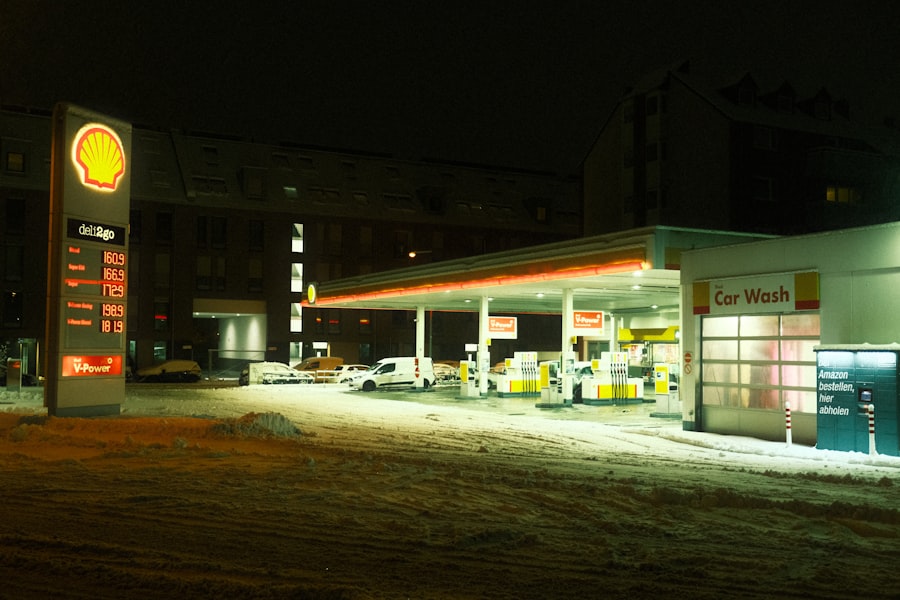
Government policies significantly influence fuel prices through various mechanisms such as taxation, subsidies, and regulatory frameworks. In many countries, fuel taxes are a primary source of revenue for governments; however, these taxes can also contribute to higher consumer prices at the pump. For instance, countries with high fuel taxes—such as those in Europe—often experience elevated fuel costs compared to nations with lower tax rates.
Policymakers must balance the need for revenue generation with the potential economic impact on consumers and businesses. Subsidies represent another tool governments use to manage fuel prices. In some cases, governments may provide financial support to domestic oil producers or consumers to stabilize prices during periods of volatility.
While subsidies can help mitigate short-term price spikes, they may also distort market dynamics and lead to inefficiencies over time. Regulatory measures aimed at promoting competition within the energy sector can also play a role in influencing fuel prices by encouraging innovation and efficiency among suppliers.
Alternative Fuel Options and Their Cost
As concerns about climate change and energy security grow, alternative fuel options are gaining traction as viable substitutes for traditional fossil fuels. Biofuels, hydrogen, electricity from renewable sources, and natural gas are among the alternatives being explored by consumers and industries alike. Each option presents its own set of advantages and challenges regarding cost-effectiveness and infrastructure requirements.
Biofuels derived from organic materials offer a renewable energy source that can be blended with conventional gasoline or diesel fuels. However, production costs can vary significantly based on feedstock availability and agricultural practices. Hydrogen fuel cells represent another promising alternative; while they produce zero emissions at the point of use, the cost of hydrogen production remains a barrier to widespread adoption.
Electric vehicles (EVs) have gained popularity due to advancements in battery technology; however, initial purchase costs can be higher than traditional vehicles despite lower operating costs over time.
Tips for Consumers to Save on Fuel Costs
Consumers looking to save on fuel costs can implement several practical strategies that not only reduce expenses but also promote more sustainable driving habits. One effective approach is to shop around for the best fuel prices by utilizing mobile apps or websites that track local gas station rates. By being informed about price variations in their area, consumers can make smarter choices about where to fill up their tanks.
Additionally, maintaining proper tire pressure is crucial for optimizing fuel efficiency; under-inflated tires can lead to increased rolling resistance and reduced mileage per gallon. Regular vehicle maintenance—such as oil changes and air filter replacements—can also enhance engine performance and improve overall fuel economy. Finally, consumers should consider carpooling or using public transportation whenever possible; these alternatives not only save money but also contribute to reduced traffic congestion and lower emissions overall.
By adopting these strategies and remaining aware of broader market trends affecting fuel prices, consumers can navigate the complexities of fluctuating energy costs while making informed decisions that benefit both their wallets and the environment.
As fuel prices continue to fluctuate, many consumers are feeling the impact on their daily expenses. For insights into how these changes are affecting various sectors, you might find it interesting to read about the role of automation in improving efficiency in different industries. Check out this related article on empowering efficiency through human-in-the-loop automation.