
Atrial fibrillation (AF) is the most common sustained cardiac arrhythmia globally, affecting millions and increasing with age. It is a significant public health concern due to its association with increased risk of stroke, heart failure, and mortality. Early detection and management are crucial for mitigating these risks. Historically, AF diagnosis has relied on conventional electrocardiogram (ECG) recordings, often performed in a clinical setting when symptoms arise. However, AF can be paroxysmal or asymptomatic, making its detection challenging using intermittent monitoring methods.

In recent years, advancements in wearable technology, particularly smartwatches, have introduced new possibilities for continuous physiological monitoring. These devices, equipped with photoplethysmography (PPG) sensors, can detect heart rate and rhythm irregularities, offering a potential avenue for early AF screening. This article examines the efficacy of smartwatch-based screening in improving the detection of new-onset atrial fibrillation. We will explore the underlying technology, the methodologies employed in relevant studies, the outcomes observed, and the implications for clinical practice and public health. This shift represents a paradigm change, moving from reactive symptom-driven diagnostics to proactive, continuous monitoring, potentially bridging the diagnostic gap for silent or infrequent AF episodes.
Recent advancements in wearable technology have shown promising results in healthcare, particularly in the realm of cardiovascular monitoring. A related article discusses the implications of smartwatch-based screening in improving the detection of new-onset atrial fibrillation, highlighting how these devices can play a crucial role in early diagnosis and prevention. For further insights, you can read more about the ongoing developments in this field in the article available at here.
The Challenge of Undiagnosed Atrial Fibrillation
Undiagnosed atrial fibrillation represents a silent epidemic. Many individuals live with AF without knowing it, a situation analogous to a ticking time bomb, unaware of the impending threat. This is primarily due to the often-asymptomatic nature of the condition or the presence of non-specific symptoms that may be dismissed or attributed to other causes.
Asymptomatic and Paroxysmal AF
- Asymptomatic AF: A significant proportion of AF episodes occur without any noticeable symptoms. Studies suggest that up to one-third of AF cases may be asymptomatic. This makes traditional symptom-driven diagnosis ineffective for this patient subset.
- Paroxysmal AF: This type of AF comes and goes, often resolving spontaneously within a week. The intermittent nature of paroxysmal AF makes it difficult to capture during a brief clinical ECG. Standard diagnostic pathways, therefore, often miss these transient episodes.
Limitations of Traditional Screening Methods
- Intermittent Monitoring: Routine physician visits with ECGs provide only a snapshot of cardiac electrical activity. They are analogous to looking through a keyhole to observe a vast landscape; only a tiny fraction is visible at any given moment.
- Cost and Accessibility: More extended monitoring, such as Holter monitors or event recorders, can be effective but are often costly, require specialized equipment, and may not be readily accessible to all populations. Their deployment is typically guided by clinical suspicion, which again relies on the presence of symptoms.
- Patient Compliance: Extended external monitoring devices can be cumbersome, affecting patient compliance over prolonged periods.
The inability to consistently detect latent AF increases the risk of serious complications, particularly ischemic stroke. Early detection would enable timely initiation of anticoagulation therapy, significantly reducing this risk. This critical need has spurred innovation in continuous, non-invasive monitoring solutions.
Smartwatch Technology for AF Detection

Smartwatches have evolved from simple time-telling devices into sophisticated health monitors. Their integration of photoplethysmography (PPG) sensors is central to their utility in AF detection.
Photoplethysmography (PPG) Principle
- Mechanism: PPG technology works by emitting light (typically green LED light) onto the skin and measuring the amount of light reflected or transmitted back to a sensor. Blood flowing through the capillaries absorbs some of this light.
- Pulse Detection: The pulsatile flow of blood due to heartbeats causes variations in light absorption, which are detected by the sensor. These variations are translated into a waveform that reflects changes in blood volume in the microvascular bed. This waveform corresponds to the peripheral pulse.
- Heart Rate Variability: By analyzing the patterns and intervals between these pulses, smartwatches can derive heart rate and identify irregularities in rhythm. In a normal sinus rhythm, the intervals between pulses are relatively consistent. In AF, these intervals become irregular and chaotic, akin to a drummer playing an unpredictable beat.
Algorithms and Data Processing
- Signal Acquisition: Raw PPG signals are inherently noisy, susceptible to motion artifacts, and variations in skin tone and tissue perfusion. Advanced signal processing techniques are employed to filter out noise and extract a clean pulse waveform.
- Rhythm Analysis: Algorithms are designed to analyze the regularity of R-R intervals (the time between successive heartbeats) derived from the PPG signal. These algorithms look for specific patterns indicative of AF, such as sustained irregularly irregular rhythms without distinct P waves (though P waves cannot be directly observed via PPG, their absence contributes to the overall chaotic rhythm signature).
- Machine Learning Integration: Many modern smartwatch AF detection algorithms leverage machine learning, trained on large datasets of both normal and AF rhythms. This allows for improved accuracy in discriminating between true AF and other arrhythmias or artifacts. The learning algorithms constantly refine their ability to discern subtle, yet critical, patterns.
Validation and Regulatory Approval
- Clinical Studies: Prior to widespread adoption, major smartwatch manufacturers have conducted rigorous clinical trials to validate the accuracy of their AF detection algorithms against gold-standard ECG recordings. These studies are essential to establish the device’s diagnostic performance, including sensitivity, specificity, positive predictive value (PPV), and negative predictive value (NPV).
- Regulatory Clearance: In several jurisdictions, including the United States (FDA) and Europe (CE mark), specific smartwatch features for AF detection have received regulatory clearance as medical devices. This designation signifies that the devices have met stringent performance and safety standards, lending credibility to their use in health monitoring.
The marriage of sophisticated hardware and intelligent software transforms a consumer device into a potential medical instrument, democratizing access to cardiac rhythm monitoring.
Methodologies of Smartwatch-Based Screening Studies
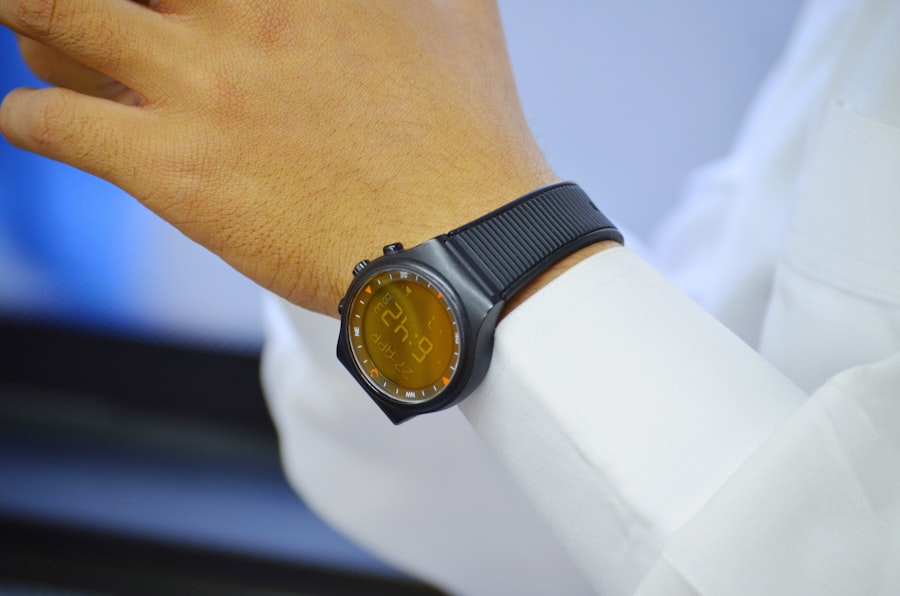
Research into the effectiveness of smartwatch-based AF screening has employed various methodologies to assess its impact on detection rates. These studies often involve large cohorts of participants and aim to compare smartwatch-driven outcomes against conventional diagnostic pathways.
Study Design Approaches
- Prospective Observational Studies: These studies typically involve recruiting a cohort of individuals, sometimes with known risk factors for AF, and instructing them to wear a smartwatch for a defined period. The smartwatch continuously monitors their heart rhythm, and if an irregularity suggestive of AF is detected, participants are prompted to seek follow-up medical attention and undergo a clinical ECG. The primary outcome is the rate of new AF diagnoses attributable to the smartwatch screening. This is akin to casting a wide net to see what fish are caught.
- Randomized Controlled Trials (RCTs): While less common for initial screening efficacy, some studies may employ RCTs to compare smartwatch-based screening to usual care in specific populations. For instance, an RCT might compare the incidence of detected AF in an intervention group (smartwatch wearers) versus a control group (standard care) over a determined period. This offers the strongest evidence for causality and comparative effectiveness.
- Retrospective Analyses: Some studies may retrospectively analyze data from existing smartwatch users who have opted into research programs, correlating smartwatch alerts with subsequent clinical diagnoses. While useful for generating hypotheses, these studies are often limited by selection bias and confounding factors.
Participant Recruitment and Data Collection
- General Population vs. High-Risk Individuals: Studies have targeted different populations. Some aim for broad population screening (e.g., Apple Heart Study), while others focus on individuals with known risk factors for AF, such as age, hypertension, diabetes, or a history of previous stroke (e.g., Heartline Study). The prevalence of AF differs significantly between these groups, impacting the predictive values of the screening.
- Duration of Monitoring: Monitoring durations vary from several weeks to over a year, reflecting the paroxysmal nature of AF. Longer monitoring periods increase the probability of capturing intermittent AF episodes.
- Data Acquisition and Transmission: Smartwatches continuously collect PPG data. When an irregular pulse is detected, the device usually prompts the user to take an on-demand ECG reading (if the smartwatch has integrated ECG capabilities) or generates a notification for the user to consult a physician. Data is often transmitted wirelessly to secure servers or directly to the user’s smartphone.
Diagnostic Confirmation
- Clinical ECG: A crucial step in all studies is the confirmation of smartwatch-detected irregularities by a gold-standard diagnostic method, typically a 12-lead ECG interpreted by a cardiologist. This step differentiates true AF from false positives or other benign arrhythmias.
- Extended Cardiac Monitoring: In cases where the initial clinical ECG is normal despite a strong smartwatch alert, participants may undergo further extended monitoring (e.g., Holter monitor, patch monitor) to capture elusive paroxysmal AF. This acts as a secondary confirmation, akin to a deeper dive after an initial surface scan.
These methodologies provide a framework for understanding how smartwatches are being evaluated as effective tools in the early detection of AF, moving beyond anecdotal evidence to robust scientific validation.
Recent advancements in wearable technology have shown promise in enhancing the detection of health conditions, as highlighted in the article on smartwatch-based screening for new-onset atrial fibrillation. This innovative approach not only improves early diagnosis but also paves the way for integrating other technologies. For instance, the potential of multimodal AI in healthcare is discussed in a related article, which explores how combining various data sources can lead to more accurate health assessments. You can read more about this exciting development in the field by visiting this article.
Increased Detection Rates of New-Onset Atrial Fibrillation
The primary objective of smartwatch-based screening is to increase the detection rate of previously undiagnosed atrial fibrillation. Evidence from various large-scale studies strongly suggests that these devices meet this objective, revealing a substantial number of new AF diagnoses.
Key Study Findings
- Apple Heart Study (AHS): This landmark study involved over 400,000 participants and demonstrated that an irregular pulse notification from an Apple Watch led to subsequent AF diagnosis in a notable proportion of individuals. Approximately 0.5% of participants received an irregular pulse notification. Of those who received a notification and sought medical attention, a significant percentage were subsequently diagnosed with AF, often confirmed by an ECG patch. This study was a massive proof-of-concept, akin to detonating a flare in the dark to reveal hidden landscapes.
- Heartline Study: This study, involving participants aged 65 or older with cardiovascular risk factors, utilized a similar smartwatch-based irregular pulse detection algorithm. Preliminary results indicated that the intervention group (using the smartwatch) had a significantly higher rate of AF diagnosis compared to the control group receiving usual care. This targeted approach in a high-risk population maximized the yield of detected AF cases.
- Other European and Asian Cohorts: Numerous smaller and regional studies across Europe and Asia have corroborated these findings, reporting similar positive predictive values and overall increases in AF detection among screened populations. These studies often focus on specific ethnic groups or healthcare systems, providing valuable context-specific data.
Impact on Undiagnosed AF Burden
- Shifting the Diagnostic Paradigm: Smartwatch screening shifts the diagnostic paradigm from reactive (responding to symptoms) to proactive (continuous monitoring). This is particularly impactful for asymptomatic AF, which would otherwise remain undetected until a serious event like a stroke.
- High-Risk Population Yield: While broader population screening can detect AF, targeting individuals with known risk factors (e.g., elderly, hypertension, diabetes) tends to yield a higher proportion of true AF diagnoses, improving the efficiency of screening. This is like focusing a strong searchlight on the most probable hiding places.
- Early Intervention Potential: The earlier detection of AF allows for timely initiation of appropriate management strategies, primarily anticoagulation therapy. This is crucial for reducing the risk of AF-related stroke, which is a major driver of morbidity and mortality.
Challenges and Considerations in Detection
- False Positives: One concern with any widespread screening tool is the potential for false positives, where an irregular rhythm is detected, but AF is not confirmed by a clinical gold standard. This can lead to unnecessary anxiety and further medical investigations, placing a burden on healthcare resources. Algorithms are continuously improving to reduce false positive rates.
- Overdiagnosis/Over-treatment: While AF requires treatment, the detection of very short, infrequent episodes of AF in otherwise low-risk individuals raises questions about the necessity and benefits of immediate intervention, particularly anticoagulation, which carries its own risks. This prompts ongoing research into the clinical significance of “short-burst AF.”
- Wearer Compliance: The effectiveness of continuous monitoring hinges on consistent smartwatch wear and user engagement with notifications. Non-compliance can limit the real-world impact of these devices.
Despite these challenges, the overwhelming evidence points to smartwatches as a powerful tool for unmasking previously hidden cases of AF, thereby opening avenues for earlier intervention and potentially improving patient outcomes.
Clinical Implications and Future Directions
The improved detection of new-onset atrial fibrillation through smartwatch-based screening has significant clinical implications, influencing patient management, healthcare resource allocation, and public health strategies. It also paves the way for future advancements in cardiac monitoring.
Enhanced Stroke Prevention
- Early Anticoagulation: The most direct and impactful clinical implication is the potential for earlier initiation of anticoagulation therapy in patients newly diagnosed with AF. Oral anticoagulants (OACs) are highly effective in preventing AF-related strokes, and early implementation can significantly mitigate this severe complication. This is analogous to installing a robust warning system before a catastrophe occurs.
- Targeted Screening: Smartwatch screening can be most cost-effective and beneficial when targeted at high-risk populations, such as individuals over 65, those with hypertension, or those with a history of heart disease. This focused approach maximizes the yield of true AF cases and minimizes unnecessary follow-ups for low-risk individuals.
Burden on Healthcare Systems and Patient Pathway
- Increased Referrals: Widespread smartwatch screening will inevitably lead to an increase in referrals for confirmatory ECGs and subsequent cardiology consultations. This necessitates careful planning to ensure healthcare systems can absorb the increased workload without becoming overwhelmed.
- Diagnostic Pathway Refinement: Clinical guidelines may need to be updated to incorporate smartwatch findings into diagnostic algorithms. This could include standardized protocols for managing irregular pulse notifications, triaging patients, and confirming diagnoses.
- Patient Education: Patients need to be educated about the capabilities and limitations of smartwatches for AF detection, the importance of follow-up, and the implications of a diagnosis. Managing patient anxiety associated with “false alarms” is also critical.
Future Developments
- Multi-Modal Sensing: Future smartwatches may integrate additional sensors beyond PPG, such as continuous ECG monitoring patches or blood pressure cuffs, to provide a more comprehensive cardiac assessment. Combining different data streams can enhance diagnostic accuracy and provide a richer picture of cardiovascular health.
- Improved Algorithms: Ongoing research will focus on refining algorithms to reduce false positive rates, differentiate AF from other clinically insignificant arrhythmias, and better identify individuals who would most benefit from intervention.
- Integration with Electronic Health Records (EHR): Seamless integration of smartwatch data with EHRs could streamline clinical workflows, allowing healthcare providers easy access to monitoring data and reducing the manual burden of data entry. This creates a continuous, digital health narrative for patients.
- Personalized Risk Stratification: Advanced analytics and artificial intelligence could be used to combine smartwatch-derived data with traditional risk factors to create personalized risk stratification models, guiding individualized screening and management strategies. This moves beyond generalized recommendations to tailored care.
- Monitoring Treatment Efficacy: Beyond diagnosis, smartwatches could play a role in monitoring the effectiveness of AF treatments (e.g., post-ablation follow-up) and detecting recurrence, empowering patients to actively participate in their long-term cardiac care.
The rise of smartwatch-based screening for AF represents a significant step forward in preventive cardiology. While challenges related to integration into clinical practice and managing false positives need careful attention, the potential to significantly improve AF detection and ultimately reduce stroke burden is substantial. This technology positions itself as a valuable adjunct, not a replacement, for traditional medical evaluation, fundamentally altering the landscape of cardiovascular health management.