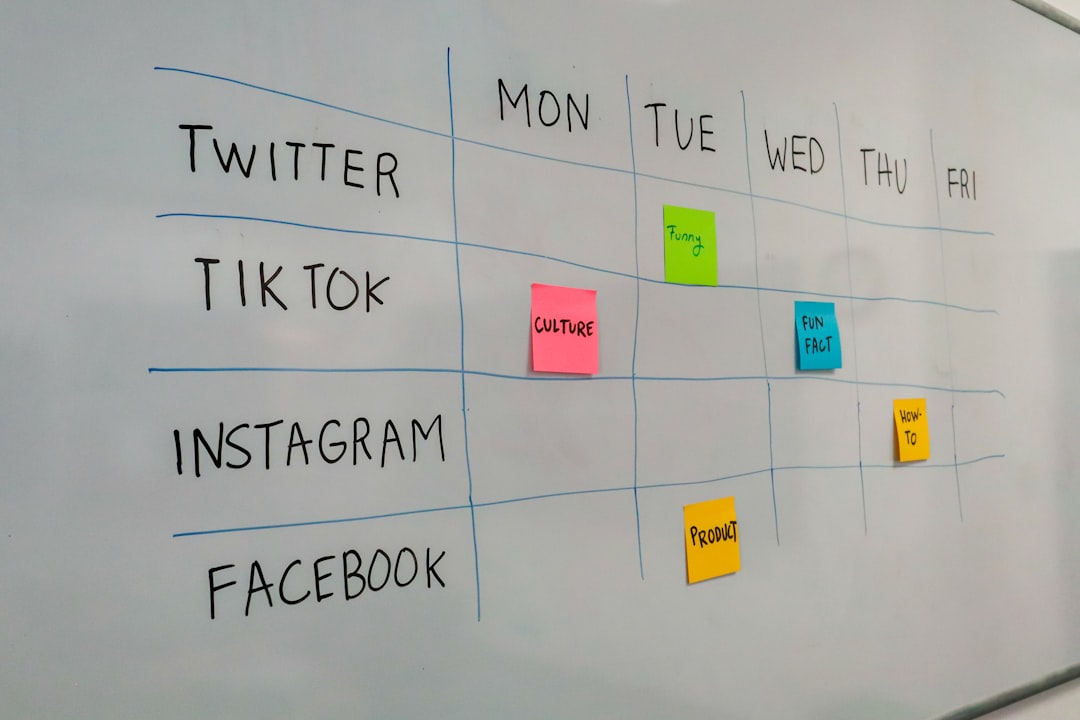
Social media platforms have become central to modern communication and information dissemination. With the proliferation of these platforms, users often find themselves managing multiple accounts and struggling to keep up with a constant stream of updates. This article explores the concept of social media aggregation, its benefits, and how individuals can leverage it to create a more efficient and controlled online experience.
The Digital Deluge
The modern internet user navigates a landscape rich with social networks. From the familial connections on Facebook to the professional insights on LinkedIn, the visual stories on Instagram and Snapchat, and the rapid-fire commentary on Twitter, each platform serves a distinct purpose and delivers a unique flow of content. This abundance, while offering diverse opportunities for connection and information, can also lead to overwhelm. Imagine trying to attend a concert where ten different bands are playing simultaneously on separate stages; without a clear way to move between them or focus on a specific performance, the experience becomes jarring and unproductive.
Defining Social Media Aggregation
Social media aggregation refers to the process of collecting and presenting content from various social media sources in a single, unified location. This is typically achieved through specialized software or online services, often referred to as social media aggregators or content aggregation tools. Instead of visiting each platform individually, users can access a consolidated feed of updates, posts, and notifications from their chosen networks. Think of an aggregator as a well-organized digital library, where instead of individual books scattered across different shelves, all the relevant volumes are brought together, cataloged, and made easily accessible.
The Evolution of Content Consumption
Historically, content consumption was a more linear process. Newspapers delivered news daily, radio broadcasted information at scheduled times, and television offered programmed content. The advent of the internet, and subsequently social media, has fundamentally altered this paradigm. Information is now dynamic, real-time, and user-generated. This shift has created a need for tools that can manage this new reality. Aggregators are a direct response to this evolution, providing a structured approach to navigating the decentralized nature of online content.
Core Functions of Aggregators
At their most basic level, aggregators pull data from the Application Programming Interfaces (APIs) of various social media platforms. These APIs act as digital doorways, allowing authorized applications to access and process information. An aggregator then processes this raw data, often filtering and organizing it according to user-defined criteria, before presenting it in a dashboard or a single feed. This process is akin to a news desk receiving wires from multiple agencies and then compiling the most relevant stories for publication.
Data Ingestion
The primary function is the ingestion of data. This involves authenticating with each social media service through user accounts and then subscribing to specific feeds or streams of content. The frequency of this ingestion can vary depending on the aggregator and the platform.
Data Processing and Organization
Once data is gathered, it undergoes processing. This might involve removing duplicate entries, categorizing posts by platform, or applying filters based on keywords or user-defined filters. The goal is to transform disparate streams of information into a coherent and manageable flow.
User Interface and Presentation
The final step is the presentation of the aggregated content. This usually takes the form of a web-based dashboard, a desktop application, or a mobile app. The interface is designed for ease of use, allowing users to view, interact with, and sometimes even respond to content from within the aggregator.
In the ever-evolving landscape of digital communication, social feed aggregators play a crucial role in curating content that resonates with diverse audiences. A fascinating article that delves into the intersection of technology and creativity is titled “Beyond Words: Unleashing the Power of Multimodal AI in the Age of Creativity.” This piece explores how multimodal AI can enhance our understanding and engagement with various forms of content. For more insights, you can read the article here: Beyond Words: Unleashing the Power of Multimodal AI in the Age of Creativity.
The Advantages of Centralized Social Media Management
The benefits of using a social media aggregator extend beyond mere convenience. By consolidating multiple feeds, users can gain a more comprehensive understanding of their digital environment and optimize their time spent online.
Enhanced Efficiency and Time Savings
The most immediate benefit of using an aggregator is the significant reduction in time spent switching between different applications or browser tabs. Instead of opening Facebook, then Twitter, then Instagram, and so on, a user can access all their updates from a single interface. This streamlines the process of checking notifications, responding to messages, and staying abreast of ongoing conversations. Imagine trying to cook a meal by running to the grocery store for each individual ingredient; an aggregator is like having a well-stocked pantry where everything you need is readily available.
Reduced Context Switching Costs
Constantly shifting attention between different platforms incurs what is known as “context switching cost.” The human brain expends mental energy to reorient itself each time it moves from one task or environment to another. By minimizing this switching, aggregators allow for sustained focus and a more productive engagement with social media.
Streamlined Information Consumption
Users can set up their aggregators to prioritize certain types of content or from specific individuals. This allows for a more targeted approach to information consumption, ensuring that the most important updates are seen first.
Improved Information Oversight and Control
Social media aggregators empower users with a greater degree of control over the information they consume. Instead of being dictated by the algorithms of individual platforms, users can curate their own experience. This can lead to a more balanced and less overwhelming digital life.
Algorithmic Independence
Many social media platforms employ complex algorithms designed to maximize user engagement, often by showing trending or controversial content. Aggregators, particularly those that focus on chronological feeds or allow for extensive customization, can offer an alternative to this algorithmic curation, providing a more linear and predictable flow of information.
Filtering and Prioritization
Users can often set up filters within an aggregator to exclude certain keywords, individuals, or types of posts. This allows them to declutter their feeds and focus on content that is most relevant to their interests or needs. For example, a business owner might filter for mentions of their brand, while a hobbyist might prioritize updates from specific forums or interest groups.
Enhanced Productivity for Professionals
For individuals and businesses that rely on social media for professional purposes, aggregators are indispensable tools. They facilitate community management, brand monitoring, and stakeholder engagement by providing a centralized hub for all social media activities.
Brand Monitoring and Reputation Management
Aggregators can be configured to track mentions of a brand, product, or key personnel across multiple platforms. This real-time monitoring is crucial for identifying and addressing customer feedback, managing public relations crises, and understanding market sentiment.
Social Media Marketing Campaigns
Marketers can use aggregators to manage multiple social media accounts, schedule posts, and track the performance of their campaigns across different networks. This integration simplifies the complex process of executing a multi-platform social media strategy.
Customer Service and Engagement
By centralizing incoming messages and mentions, aggregators can help customer service teams respond more quickly and efficiently to inquiries and complaints from various social media channels.
Types of Social Media Aggregators
The landscape of social media aggregators is diverse, with tools catering to different user needs. Understanding these distinctions can help you choose the right solution for your specific requirements.
Standalone Social Media Management Tools
These are comprehensive platforms designed for businesses and power users. They typically offer a wide array of features beyond basic aggregation, including advanced analytics, team collaboration, content scheduling, and in-depth reporting. Examples include Hootsuite, Buffer, and Sprout Social. These tools often operate on a subscription model, with pricing tiers based on the number of users, social profiles, and features accessed.
Features of Comprehensive Platforms
- Multi-Platform Support: Integration with a wide range of social networks, including Facebook, Twitter, Instagram, LinkedIn, Pinterest, YouTube, etc.
- Content Scheduling: Ability to plan and schedule posts in advance across multiple platforms.
- Analytics and Reporting: Detailed insights into audience engagement, post performance, and overall social media ROI.
- Team Collaboration: Features that allow multiple users to work on social media accounts, assign tasks, and approve content.
- Social Listening: Tools to monitor keywords, hashtags, and brand mentions across the web.
Target Audience for These Tools
These platforms are primarily aimed at marketing agencies, social media managers, large organizations, and businesses that require a robust and integrated solution for their social media presence.
Personal Social Media Feed Readers
These tools focus more on the individual user’s experience of consuming content. They often prioritize a clean interface, customization options, and the ability to integrate with a wide variety of online sources, including news sites, blogs, and RSS feeds, in addition to social media. Examples include Feedly (which can integrate social feeds) and some browser extensions.
Simplicity and User Experience
Personal feed readers often emphasize a user-friendly interface and straightforward functionality. The primary goal is to provide a less distracting and more enjoyable way to consume content.
Customization and Personalization
Users typically have significant control over what content is displayed and how it is organized. This can include creating custom feeds based on interests, authors, or keywords.
Integration with Various Content Sources
Beyond social media, these readers can often pull content from RSS feeds, news websites, and other online publications, providing a truly unified content consumption experience.
Browser Extensions and Plugins
These are lighter-weight solutions that often integrate directly into a user’s web browser. They might provide a notification badge for new updates or allow for quick viewing of aggregated feeds without leaving the current webpage. While less feature-rich than dedicated platforms, they offer immediate convenience for users who prefer not to install separate applications.
Ease of Installation and Access
Browser extensions are typically quick to install and can be accessed with a single click from the browser toolbar.
Limited Functionality Compared to Full Platforms
While convenient for quick checks, these extensions generally lack the advanced features found in standalone management tools, such as in-depth analytics or content scheduling.
Use Cases for Quick Overviews
They are ideal for individuals who want a simple way to stay updated on their social feeds without a significant investment of time or resources.
Implementing a Social Media Aggregator for Personal Use

For individuals looking to manage their personal social media presence more effectively, selecting and configuring an aggregator can significantly improve their online experience. This section outlines a practical approach to implementing such a system.
Choosing the Right Aggregator
The first step is to identify an aggregator that aligns with your needs and technical comfort level.
Assessing Your Needs
Consider how many social media platforms you use regularly. Do you primarily use them for personal connections, professional networking, news consumption, or a combination? Understanding your primary use cases will guide your selection. If your focus is on getting a quick overview, a browser extension might suffice. If you wish to actively manage your presence and curate content meticulously, a more robust platform might be necessary.
Evaluating Features and Pricing
Many personal feed readers offer free tiers with sufficient functionality for individual use. Standalone management tools, however, often have free trials but require a subscription for full access. Compare the features against the cost. Look for features such as the number of social accounts you can connect, the ability to create custom feeds or filters, and the overall user interface.
User Reviews and Reputation
Before committing to an aggregator, research user reviews and the platform’s reputation. Look for feedback regarding reliability, ease of use, and customer support.
Setting Up Your Aggregator
Once you have selected an aggregator, the next step involves configuring it to suit your preferences.
Connecting Your Social Media Accounts
This process typically involves authenticating your accounts through the aggregator’s interface. You will grant the aggregator permission to access your data from each social media platform. Ensure you understand the permissions you are granting and are comfortable with them.
Customizing Your Feeds
Most aggregators allow you to create custom feeds or groups of content. For instance, you might create a “Close Friends” feed that pulls updates only from specific individuals on Facebook, or a “Industry News” feed that aggregates posts from relevant professional accounts on LinkedIn and Twitter.
Creating Thematic Feeds
Group content by topic or interest. This could be for professional development, hobbies, family updates, or news from specific regions.
Filtering Content
Utilize the filtering capabilities to exclude content you do not wish to see. This can include specific keywords, users, or types of posts. This helps in creating a cleaner and more focused information stream.
Optimizing Notification Settings
Configure notifications to avoid constant interruptions. You may want to receive alerts for direct messages or mentions, but perhaps not for every single post from every connection. Fine-tuning these settings can prevent alert fatigue.
Integrating Other Content Sources
Many aggregators extend beyond social media, allowing you to incorporate content from other online sources.
RSS Feeds
If you follow blogs or news websites that offer RSS feeds, you can often add these to your aggregator. This consolidates articles alongside your social media updates, providing a comprehensive view of online content.
News Websites and Blogs
Some aggregators have direct integrations with popular news outlets and blog platforms, allowing you to add them as sources for your aggregated feed.
In today’s digital landscape, social feed aggregators play a crucial role in curating content from various platforms, making it easier for users to stay updated on their interests. For instance, an article discussing the latest in sports can be found at Exciting Sports News Today: Scores, Updates, and Highlights, which highlights how these aggregators can enhance the experience of sports enthusiasts by providing real-time updates and comprehensive coverage. This integration of information helps users navigate the vast amount of content available online, ensuring they never miss a moment of their favorite events.
The Role of Social Media Aggregators in Professional Contexts
| Metric | Description | Typical Value / Range | Importance |
|---|---|---|---|
| Number of Integrated Platforms | Count of social media platforms aggregated (e.g., Facebook, Twitter, Instagram) | 3 – 10+ | High |
| Update Frequency | How often the feed updates with new content | Every 1 – 15 minutes | High |
| Content Types Supported | Types of content aggregated (text, images, videos, links) | Text, Images, Videos, Links | Medium |
| Maximum Feed Items Displayed | Number of posts shown in the feed at one time | 10 – 50 | Medium |
| Filtering Options | Ability to filter content by keywords, hashtags, or user | Yes / No | High |
| Sentiment Analysis | Capability to analyze and display sentiment of posts | Available / Not Available | Low to Medium |
| Real-time Notifications | Alerts for new posts or mentions | Yes / No | Medium |
| API Access | Availability of API for custom integrations | Available / Not Available | Medium |
| User Engagement Metrics | Likes, shares, comments aggregated from posts | Varies by platform | High |
| Mobile Compatibility | Responsive design or mobile app availability | Yes / No | High |
Beyond personal use, social media aggregators are critical tools for businesses and professionals. They transform how organizations manage their online presence, monitor their reputation, and engage with their audience.

Brand Management and Reputation Monitoring
For any organization, maintaining a positive online reputation is paramount. Aggregators provide the necessary tools to monitor brand mentions and sentiment across the vast expanse of social media.
Real-time Brand Mentions
By tracking keywords related to your brand, products, or services, you can receive instant notifications whenever your organization is mentioned. This allows for prompt responses to customer feedback, both positive and negative.
Sentiment Analysis
Advanced aggregators can perform sentiment analysis, categorizing mentions as positive, negative, or neutral. This provides valuable insights into public perception and helps identify areas needing improvement. Imagine a doctor monitoring a patient’s vital signs; sentiment analysis is like monitoring the “vital signs” of your brand’s public perception.
Crisis Communication
In the event of a PR crisis, a well-configured aggregator can be the first line of defense, alerting the relevant teams to escalating conversations and allowing for a swift and coordinated response.
Social Media Marketing and Advertising
Effective social media marketing requires a strategic and integrated approach. Aggregators streamline these processes, allowing for efficient campaign management and performance tracking.
Content Scheduling and Publishing
Many aggregators allow users to create and schedule content across multiple platforms simultaneously. This saves time and ensures a consistent posting schedule, even when the marketing team is not actively online.
Performance Analytics and ROI
Aggregators offer dashboards that consolidate performance metrics from various social media channels. This allows marketers to track engagement rates, reach, follower growth, and the overall return on investment (ROI) of their social media campaigns. Understanding which content resonates with your audience across different platforms is crucial for optimizing future efforts.
Competitor Analysis
Some aggregators allow users to monitor the social media activity of competitors. This provides valuable market intelligence, helping to identify successful strategies and potential areas for differentiation.
Customer Engagement and Support
Social media has become a significant channel for customer service. Aggregators enable businesses to manage these interactions efficiently and effectively.
Centralized Inbox for Inquiries
All customer inquiries, comments, and messages from various social media platforms can be consolidated into a single inbox within the aggregator. This ensures that no customer query goes unanswered.
Faster Response Times
By having all communication in one place, customer support teams can respond to inquiries much faster, improving customer satisfaction and loyalty.
Community Management
Aggregators can help identify and engage with brand advocates and influencers within your online community, fostering stronger relationships and expanding your reach.
In today’s digital landscape, social feed aggregators play a crucial role in curating content from various platforms, enhancing user experience and engagement. A fascinating article that explores the transformative impact of technology on work is available at The Future is Here: How Agentic AI Systems Transform Work. This piece delves into how advanced AI systems are reshaping the way we interact with information, making it increasingly relevant for those interested in the evolution of social media tools.
Advanced Strategies and Considerations
While the benefits of social media aggregation are clear, optimizing its use involves more than just setting up an account. Advanced strategies and careful consideration of certain factors can further enhance its effectiveness.
Leveraging Analytics for Deeper Insights
Most aggregators provide reporting and analytics features. Moving beyond simple post counts, delve into the data to understand audience behavior, content performance, and the overall impact of your social media efforts.
Identifying Peak Engagement Times
Analyzing when your audience is most active on each platform allows you to schedule posts for maximum visibility and engagement. This is like learning the best times to deliver a speech to ensure the largest and most attentive audience.
Understanding Content Resonance
Which types of posts receive the most likes, shares, and comments? By identifying successful content themes and formats, you can refine your content strategy to create more engaging material.
Tracking Follower Growth and Demographics
Monitor how your follower base is growing and understand their demographics. This information is vital for tailoring content and marketing efforts to the right audience.
Integrating with Other Marketing Tools
Social media aggregators can be more powerful when integrated with other marketing and business tools.
CRM Integration
Connecting your CRM (Customer Relationship Management) system with your social media aggregator can provide a holistic view of your customer interactions. This allows marketing and sales teams to understand a customer’s social media engagement alongside their purchase history and other interactions.
Email Marketing Platforms
Some aggregators allow for the collection of leads from social media, which can then be directly fed into email marketing platforms for nurturing campaigns.
Project Management Software
For teams managing social media campaigns, integrating with project management tools can help streamline workflows, assign tasks, and track progress.
Ethical Considerations and Data Privacy
As with any tool that accesses personal data, ethical considerations and data privacy are crucial.
Understanding Data Permissions
When connecting social media accounts, carefully review the permissions you are granting to the aggregator. Understand what data it will access and how it will be used.
Compliance with Regulations
Be aware of data privacy regulations such as GDPR or CCPA, especially if you are using an aggregator for business purposes and collecting user data.
Responsible Data Handling
Ensure that the aggregator you choose has robust security measures in place to protect the data it collects and handles. This includes being transparent about their data privacy policies.
The Future of Social Media Aggregation
The field of social media aggregation is constantly evolving. As new platforms emerge and user needs change, aggregators will likely incorporate more advanced features.
AI and Machine Learning Integration
Artificial intelligence and machine learning are expected to play a larger role in aggregators, assisting with content curation, sentiment analysis, and even automated content generation.
Enhanced Personalization
Future aggregators may offer even more sophisticated personalization options, adapting content delivery in real-time based on user behavior and evolving interests.
Cross-Platform Interoperability
As the digital landscape continues to diversify, there may be a push for greater interoperability between social media platforms, which could, in turn, influence how aggregators function and the data they can access.
By understanding the principles of social media aggregation, exploring the various tools available, and implementing them strategically, individuals and organizations can transform their digital experience from a fragmented deluge into a manageable and productive stream of information.